Jacob Tree Services Blog
Tree Removal Near Shared Fences: What to Clarify Before Work Begins
A shared fence changes what needs to be discussed before tree removal. Clarify which tree is involved, where access and equipment may go, how the fence and nearby property will be treated, what cleanup includes, and who will confirm any boundary or local requirements. These questions help turn a general request into a clear, site-specific conversation.
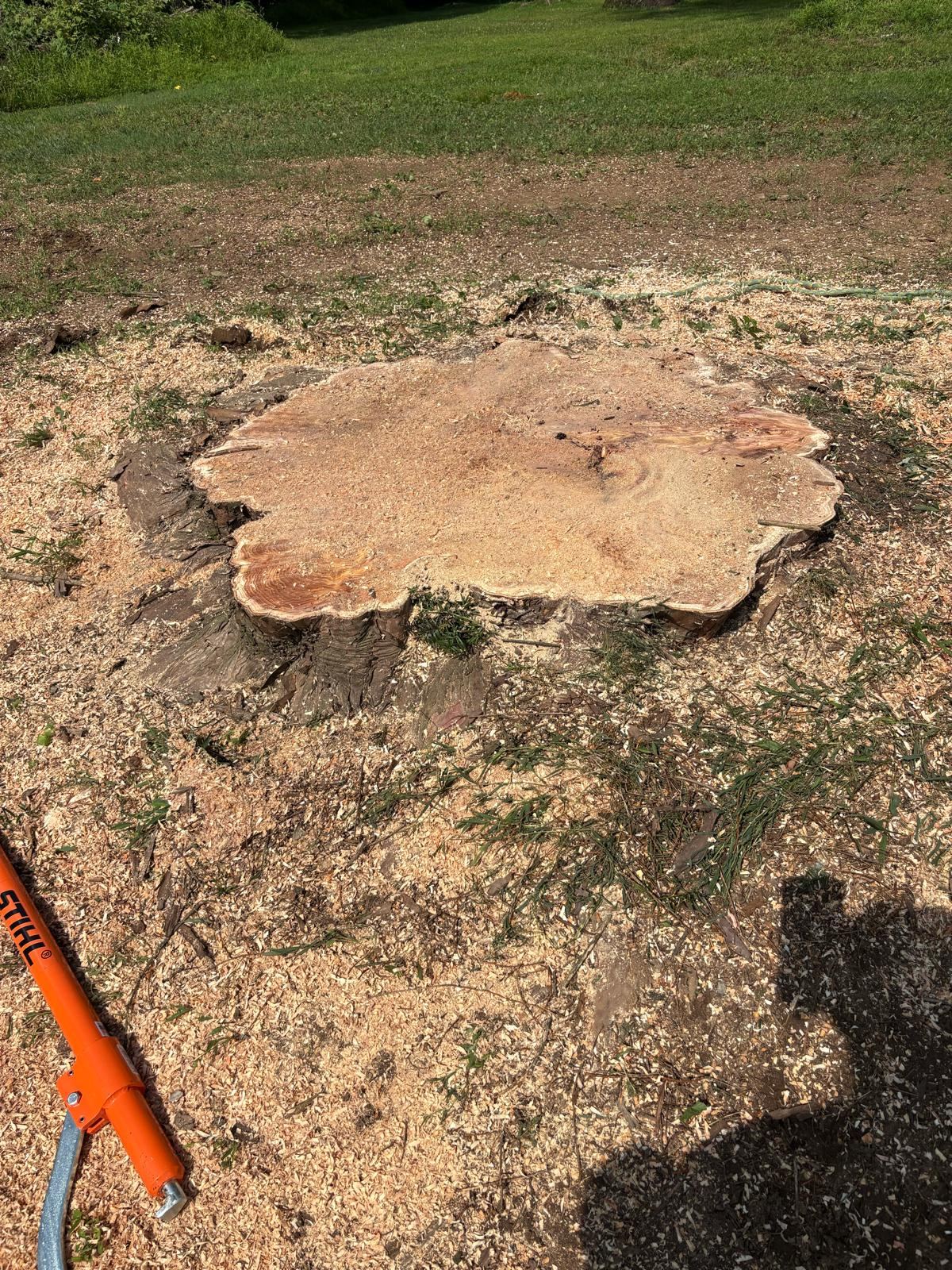
Before tree removal near a shared fence, clarify the tree’s location, access route, fence protection, cleanup, and who will confirm any boundary or local requirements. Do not assume the fence marks the legal property line or that a neighbor’s agreement covers every part of the work. Share clear photos and ask the tree service to explain the proposed scope for your specific site.
Start by identifying the tree and boundary
Point out the exact tree you want assessed, especially if several trunks or branches are close to the fence. A photo taken from your yard and another from a safe, accessible viewpoint can help distinguish the tree from nearby growth. Include a wider view showing the fence, buildings, gates, and the likely approach to the work area. Photos support a conversation; they do not establish ownership or property boundaries.
If the trunk is close to the fence, appears to straddle it, or its base is difficult to see, say so when requesting an assessment. Avoid treating the fence line as proof of the boundary. If the precise line matters, pause to clarify it through appropriate property records or a qualified local professional before agreeing to work that depends on it. A tree service can discuss the visible work area, but that does not settle a boundary question.
- Identify the tree by location, not only by a description such as “the large one.”
- Mention whether the trunk, visible roots, or branches appear to cross the fence line.
- Share any uncertainty about ownership or permission instead of asking the crew to infer it.
A clear tree location helps define the request; it does not determine who owns the tree or fence.
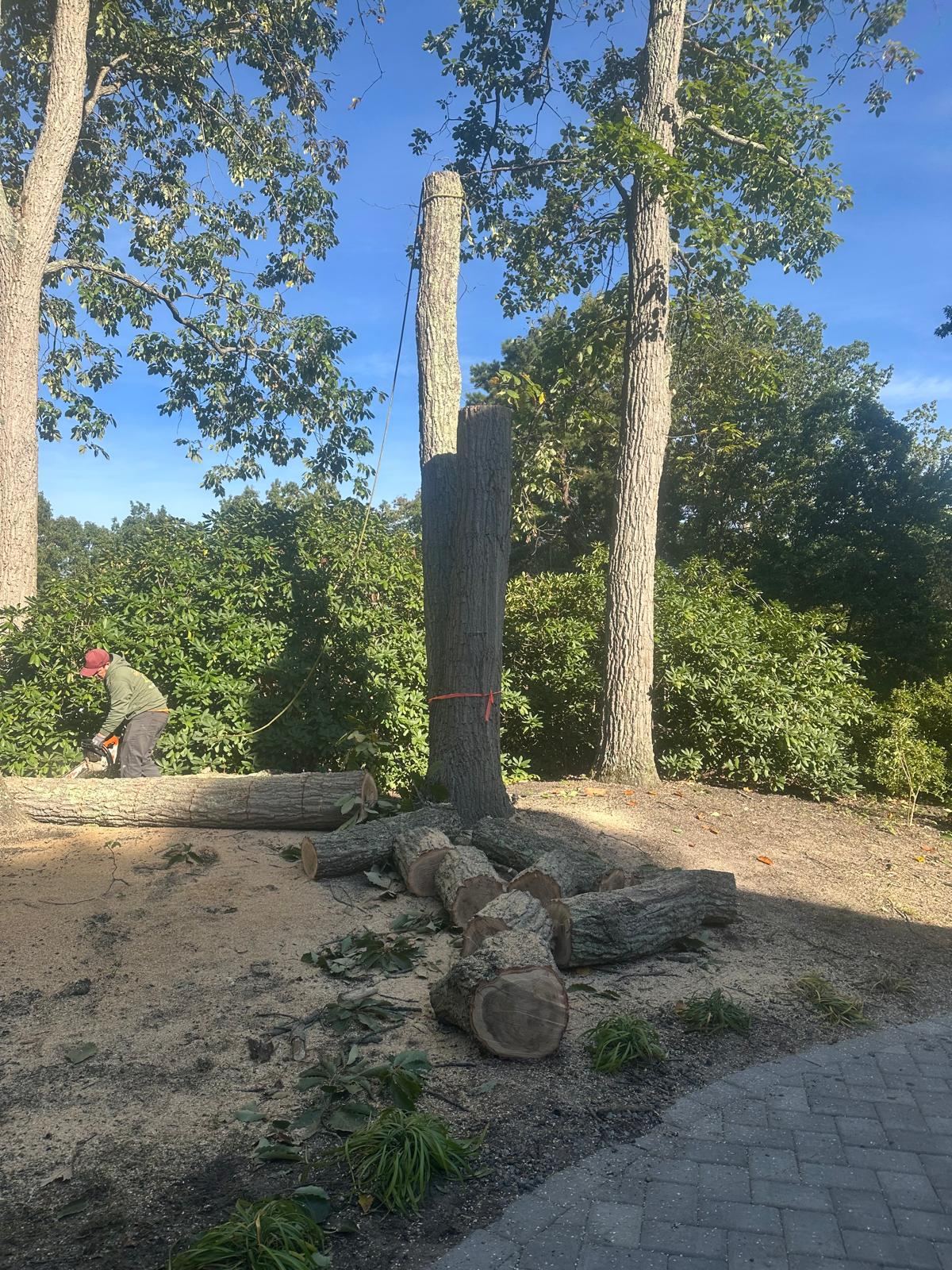
Discuss access and fence protection
Ask how the crew expects to reach the tree and which areas may be used for people, equipment, and removed material. A narrow gate, garden bed, patio, or neighboring yard can affect the available route. Explain what access you can authorize and whether any part of the proposed route would require a neighbor’s permission. Do not assume that a convenient route across another property is available.
Discuss the fence as a nearby feature that needs attention in the work plan. Ask what the crew expects to happen around fence panels, posts, gates, and landscaping, and how the work area will be kept distinct from areas that should remain undisturbed. The exact approach depends on the tree and site; a conversation or estimate should describe the intended scope rather than imply that damage is impossible. If a panel is already loose or damaged, point it out before work is scheduled.
For example, imagine a tree beside a gate that opens toward the trunk. An illustrative planning question is whether the gate will remain closed, whether another access route is needed, and what parts of the yard the crew expects to use. This example is not a description of a Jacob Tree Services project; it shows how a small site detail can change the discussion.
- Name the permitted access route and any areas that are off limits.
- Point out gates, fence sections, plants, or structures close to the work area.
- Ask what access or neighbor coordination remains unresolved before scheduling.
Make the work scope and cleanup specific
Ask what the tree removal request includes and what would be treated separately. Clarify whether the discussion covers the identified tree only, handling of branches and trunk material, and cleanup in the areas affected by access. If you also want stump grinding, ask whether that is part of the proposed scope or a separate service. Do not assume that removing a tree automatically includes grinding its stump or restoring a disturbed area.
Describe the result you want in practical terms: for instance, whether you want material removed from the yard or would like to discuss another arrangement. Ask how the crew will handle debris near the fence and whether cleanup includes material that falls or is carried into a neighboring area. The answer should reflect the actual site and agreed scope. If the estimate uses broad wording, ask for clarification before accepting it.
Keep the request focused on observable details rather than predicting how the tree will behave. A useful discussion can cover the tree’s position, nearby fence sections, access constraints, the requested removal, and cleanup expectations. For a broader overview of available work, review the company’s [tree services and stump grinding](https://jacobtreeservices.com/services/) and ask which service matches the site-specific request.
- Describe the tree and the fence sections nearest to it.
- Explain the access route and any restrictions or permissions still needed.
- Ask what removal, debris handling, and cleanup are included.
- Confirm separately whether stump grinding is requested and included.
Check local requirements and confirm the plan
Local rules can affect whether tree removal needs an application or other review, and requirements may depend on the property and the proposed work. For a property in Hamilton Township, New Jersey, check the current township requirements for the specific tree and scope before work begins. Do not assume that a tree’s position beside a shared fence creates an exemption, or that a contractor’s estimate is municipal approval. If the property is elsewhere, check with the relevant local authority rather than applying Hamilton Township rules by default.
Before scheduling, put unresolved points into a short written list: the tree to be removed, the permitted access route, the fence and nearby features to note, the agreed cleanup, and any local approval or neighbor permission still to confirm. Ask the provider to explain any unclear scope in writing. If you need to discuss the request with Jacob Tree Services, use the [contact page](https://jacobtreeservices.com/contact/). Availability and the right approach depend on the address, site conditions, and agreed work.
- Confirm the tree and requested service are identified clearly.
- Resolve boundary, access, and neighbor-permission questions that affect the work.
- Check applicable local requirements for the property and proposed removal.
- Keep the agreed scope and cleanup expectations in writing.
Move forward when the tree, access, fence concerns, cleanup, and any required approvals are clear to the people involved.
Common questions
Does a shared fence show where the property line is?
Not necessarily. A fence is a visible feature, but its position alone does not establish the legal boundary. If ownership or permission depends on the exact line, clarify that question before authorizing work that crosses or relies on it. Share the uncertainty with the tree service so the work discussion does not treat an assumption as a confirmed boundary.
Should I ask about stump grinding when discussing tree removal?
Yes, if you want the stump addressed. Ask whether stump grinding is included in the proposed scope or would be a separate service, and clarify what cleanup is expected afterward. Tree removal and stump grinding are distinct requests, so spelling out your preference helps avoid assuming one is automatically part of the other.