Jacob Tree Services Blog
How to Recognize When Your Trees Need Professional Trimming or Pruning
Trees add beauty and value to your property, but knowing when they require professional trimming or pruning is essential for their health and safety. This guide explains key signs that indicate the need for expert care, helping you decide when to schedule tree services with professionals like Jacob Tree Services near Hamilton Township, New Jersey.
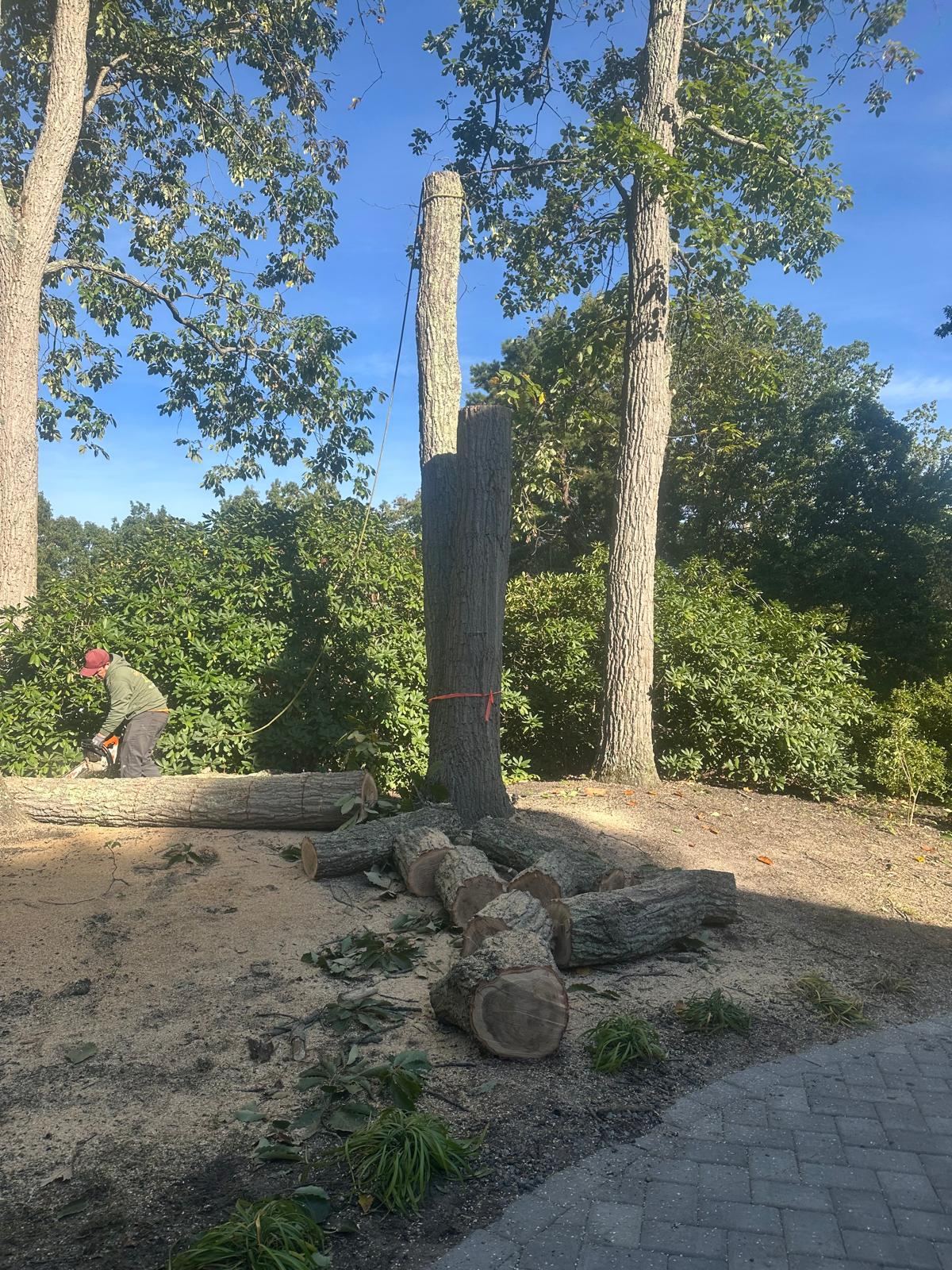
Recognizing when your trees need professional trimming or pruning is crucial for maintaining their health, appearance, and safety. Trees that are neglected or improperly trimmed can develop structural weaknesses, become hazardous, or suffer from diseases that affect their longevity. Several visible signs and changes in your trees can help you determine when to consult a professional tree service. These include sudden thinning of the canopy, presence of fungal growth, new leaning or cracks, abnormal leaf color or wilting, and multiple trees showing similar symptoms. Identifying these signs early allows for timely intervention, which can prevent costly damage and promote healthier growth. Professional arborists assess the tree’s overall condition, diagnose underlying problems, and recommend appropriate pruning or treatment. This approach ensures that trimming is not just cosmetic but supports the tree’s structural integrity and vitality. If you observe any concerning symptoms or structural changes in your trees, scheduling an evaluation with a certified tree care provider like Jacob Tree Services is a practical step. Their expertise can help you maintain safe, healthy trees that enhance your property for years to come.
Key Signs Your Trees Need Professional Attention
Trees often display visible indicators when they require professional trimming or pruning. One of the most noticeable signs is sudden thinning or dieback in the tree’s crown. If you see branches dying from the tips inward or the canopy becoming sparse within a single season, this usually points to a deeper issue such as root damage, disease, or soil problems rather than a need for simple trimming. Addressing only the dead branches without diagnosing the root cause can lead to recurring problems and declining tree health.
Another important sign is the presence of mushrooms, conks, or other fungal fruiting bodies at the base or on the trunk of the tree. These fungi indicate internal decay, which compromises the tree’s structural integrity. While some decay is natural in mature trees, extensive decay near the trunk or root flare can pose safety risks. In such cases, professional evaluation is necessary to determine whether pruning, load reduction, or removal is the best course of action.
Structural Changes That Require Expert Evaluation
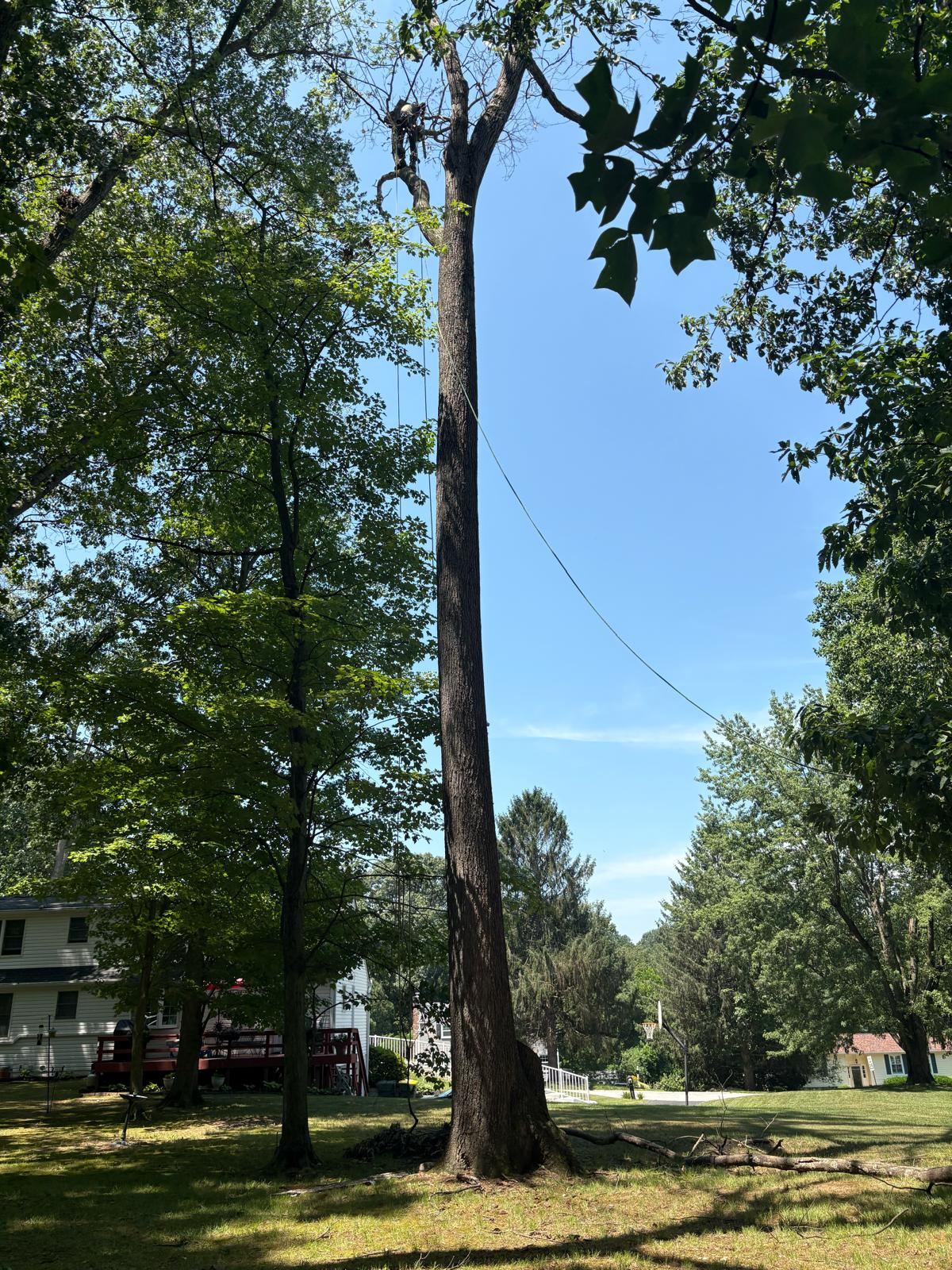
Structural changes such as a new lean, visible cracks in the trunk or major limbs, and soil heaving around the base are urgent warning signs. A tree that suddenly leans or develops cracks may be experiencing root failure or internal weaknesses that trimming alone cannot fix. These symptoms require prompt professional assessment to evaluate the risk of failure and recommend solutions, which may include cabling, bracing, or removal to protect nearby structures and people.
Additionally, abnormalities in leaf color, wilting in sections of the canopy, sap oozing from the bark, or peeling bark can indicate pest infestations or diseases. These conditions often need precise diagnosis and targeted treatment rather than general pruning. Misdiagnosis can lead to ineffective treatments and worsening tree health. Professional arborists use their expertise to identify the exact problem and suggest appropriate interventions.
When Multiple Trees Show Similar Symptoms
If you notice the same symptoms on several trees, especially if they are different species, the cause is likely related to environmental factors affecting the site rather than individual tree issues. Common causes include soil compaction, drainage problems, construction damage, or exposure to herbicides. In such cases, a professional diagnosis can help identify the underlying site conditions and recommend corrective actions that benefit all affected trees.
Regular inspections and maintenance by a certified arborist can help detect these problems early, allowing you to address site-wide issues before they cause significant tree decline or hazards. This holistic approach supports the health of your entire landscape rather than treating symptoms on a case-by-case basis.
Preparing for Professional Tree Trimming or Pruning Services
Before scheduling tree trimming or pruning, it’s helpful to prepare by observing and documenting the condition of your trees. Take note of any visible damage, dead branches, fungal growth, or structural changes. Clear the area around the tree to provide easy access for the tree care team and remove any obstacles that could interfere with equipment or safety.
Consulting with a professional service like Jacob Tree Services ensures that the pruning is done according to industry standards, preserving tree health and safety. Professionals follow best practices such as ANSI A300 standards and have the proper equipment and training to handle complex or hazardous situations safely. They can also advise on the optimal timing for pruning based on the species and local conditions to promote healthy regrowth.
Common questions
What are the most common signs that indicate my tree needs professional pruning?
Common signs include sudden thinning or dieback in the canopy, presence of mushrooms or fungal growth at the base, new leaning or cracks in the trunk, abnormal leaf color or wilting, and multiple trees showing similar symptoms. These signs suggest underlying health or structural issues that require professional diagnosis before pruning.
How can I prepare my property before scheduling tree trimming services?
To prepare, observe and document any visible tree issues, clear the area around the tree for easy access, and remove obstacles that could hinder equipment or safety. Sharing detailed information with your tree service provider helps them plan the job effectively and ensures the best care for your trees.