Jacob Tree Services Blog
How to Prepare Your Property for Tree Trimming and Selective Pruning
Preparing your property properly before professional tree trimming and selective pruning helps ensure the job is done safely, efficiently, and with minimal disruption. This guide explains practical steps to ready your yard, including clearing access, identifying buried utilities, securing pets and children, and communicating with your tree care provider. Understanding these preparations will help you make informed decisions and set expectations for the service.
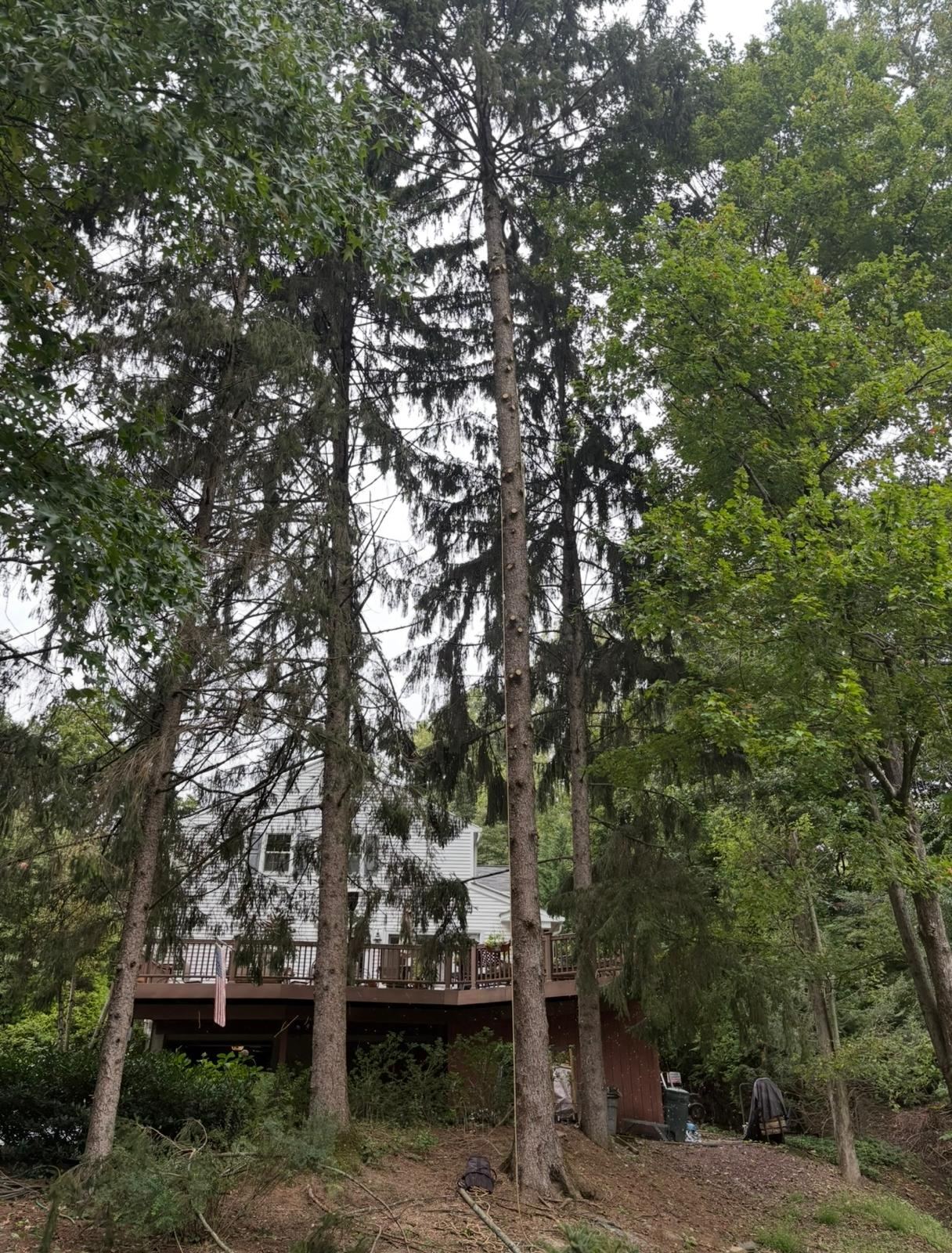
Preparing your property for tree trimming and selective pruning involves several key steps to facilitate a safe and effective service. First, clear the agreed equipment route and work area by removing vehicles, garden furniture, and any portable items that could obstruct access. This ensures that the crew can move freely and reduces the risk of damage to your property. Next, identify and inform your tree care provider of any buried utilities such as septic tanks, irrigation systems, invisible fences, or electrical lines. These features might not be visible but are critical to avoid during the work. Keep pets, children, and other occupants away from the work zone for their safety. It is also important to unlock gates and ensure they open fully to allow equipment entry. If access requires crossing neighboring land, arrange permission in writing beforehand. Before the crew arrives, photograph existing surfaces like lawns and driveways from safe locations to document their condition. This can be helpful for assessing any restoration needs after the work. Confirm details such as wood removal, chip handling, stump grinding, and final cleanup with your provider to align expectations. Following these preparations will help the tree trimming and pruning process proceed smoothly and protect your property and safety. Results can vary depending on the specific site conditions and service scope, so clear communication with your tree care professional is essential.
Clearing Access and Work Areas
One of the first steps to prepare your property for tree trimming and selective pruning is to clear the access routes and work areas. Remove vehicles, garden furniture, potted plants, hoses, and any other portable objects that could obstruct the movement of equipment or the crew. Clearing these items helps prevent accidental damage and allows the crew to work efficiently without delays.
Check that gates along the equipment route are unlocked and open fully to accommodate machinery and trucks. If the driveway or path appears firm, keep in mind that ground conditions can vary beyond visible areas, especially after rain or thawing. Discuss with your provider whether additional ground protection might be needed to avoid damage to lawns or soft surfaces.
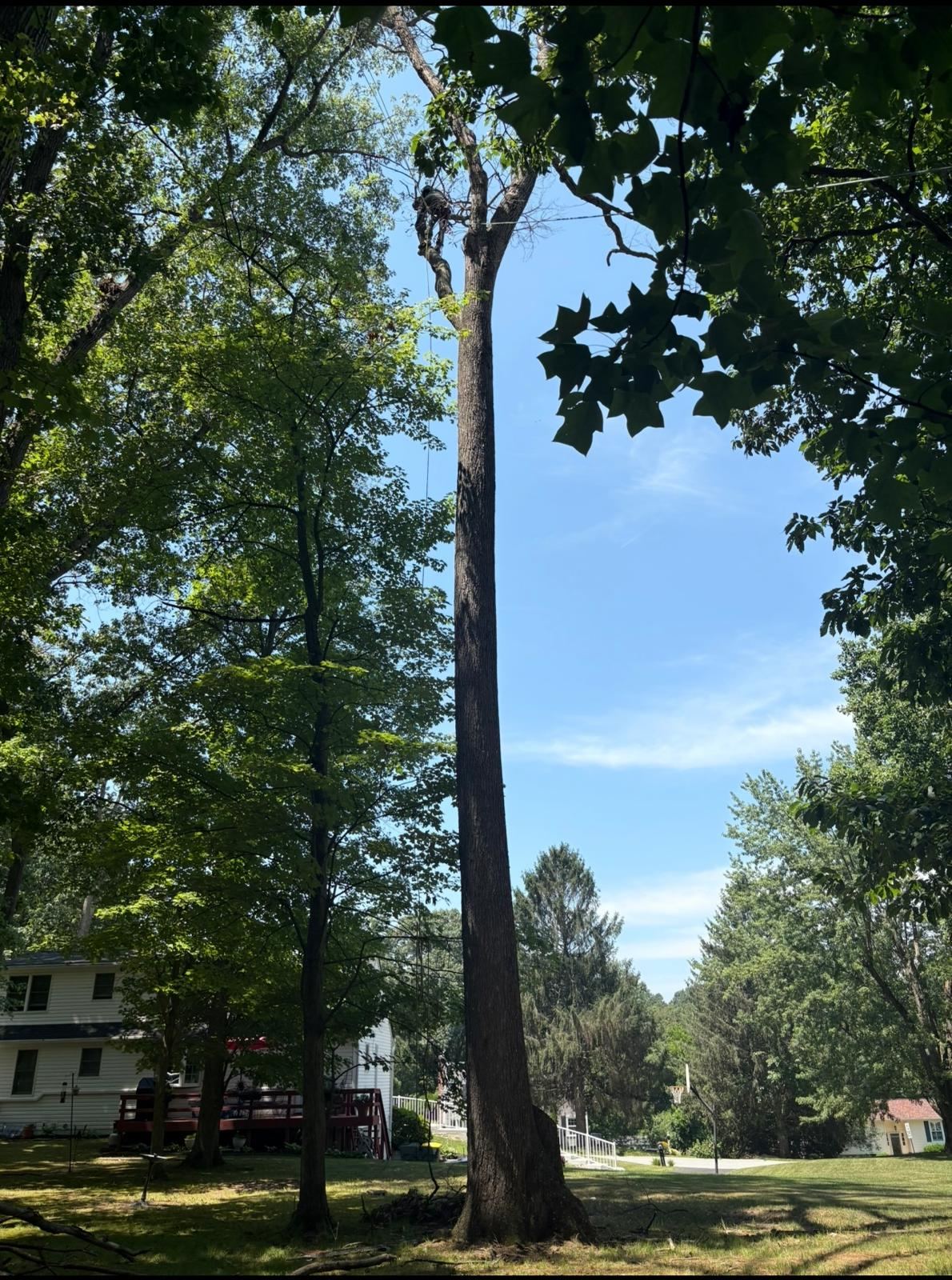
Identifying Buried Utilities and Hidden Features
Inform your tree care provider about any buried utilities or hidden features on your property, such as septic systems, wells, irrigation lines, underground electrical wiring, or invisible pet fences. These installations are often not visible and may not be detected by equipment operators, so providing accurate information is crucial to avoid costly damage or service interruptions.
Use property records or diagrams if available to pinpoint these features. If you are unsure about the exact locations, consider consulting a professional locator service before the work begins. This step enhances safety and helps the crew plan their approach accordingly.
Ensuring Safety for Pets, Children, and Occupants
Tree trimming and pruning involve heavy equipment, falling branches, and potentially hazardous work zones. To protect your family and pets, keep children and animals indoors or at a safe distance away from the work area during the entire service.
Communicate clearly with all occupants about the scheduled work and the boundaries of the work zone. This reduces the risk of accidents and distractions for the crew, contributing to a safer and more efficient operation.
Coordinating with Your Tree Care Provider
Before the service date, discuss and confirm important details with your tree care provider. Clarify how wood debris, chips, and branches will be handled—whether they will be removed from your property or left for you to manage.
Ask about stump grinding if applicable, as well as any lawn protection measures the crew will use to minimize damage. Confirm the scope of the pruning or trimming work to ensure it aligns with your expectations and the health needs of your trees.
Taking photos of your property’s condition before the work can help document any existing damage and provide a reference for post-service cleanup and restoration.
Common questions
What should I do with vehicles and movable objects before tree trimming?
You should move vehicles, garden furniture, potted plants, hoses, and any portable objects out of the agreed equipment route and work area. Clearing these items prevents obstruction, reduces the risk of damage, and allows the crew to operate efficiently and safely.
How can I help protect buried utilities during tree pruning services?
Identify and inform your tree care provider about any buried utilities such as septic tanks, irrigation lines, invisible fences, or electrical wiring. Use property records if available, and consider professional locating services if you are unsure of exact locations. This information helps the crew avoid damaging these features during their work.