Jacob Tree Services Blog
How to Plan Tree Trimming and Pruning for Your Property
Learn the essential steps to effectively plan tree trimming and pruning that promote the health, safety, and aesthetics of your trees. This guide explains how to prepare for these services, what to expect, and how to communicate your needs clearly with professionals.
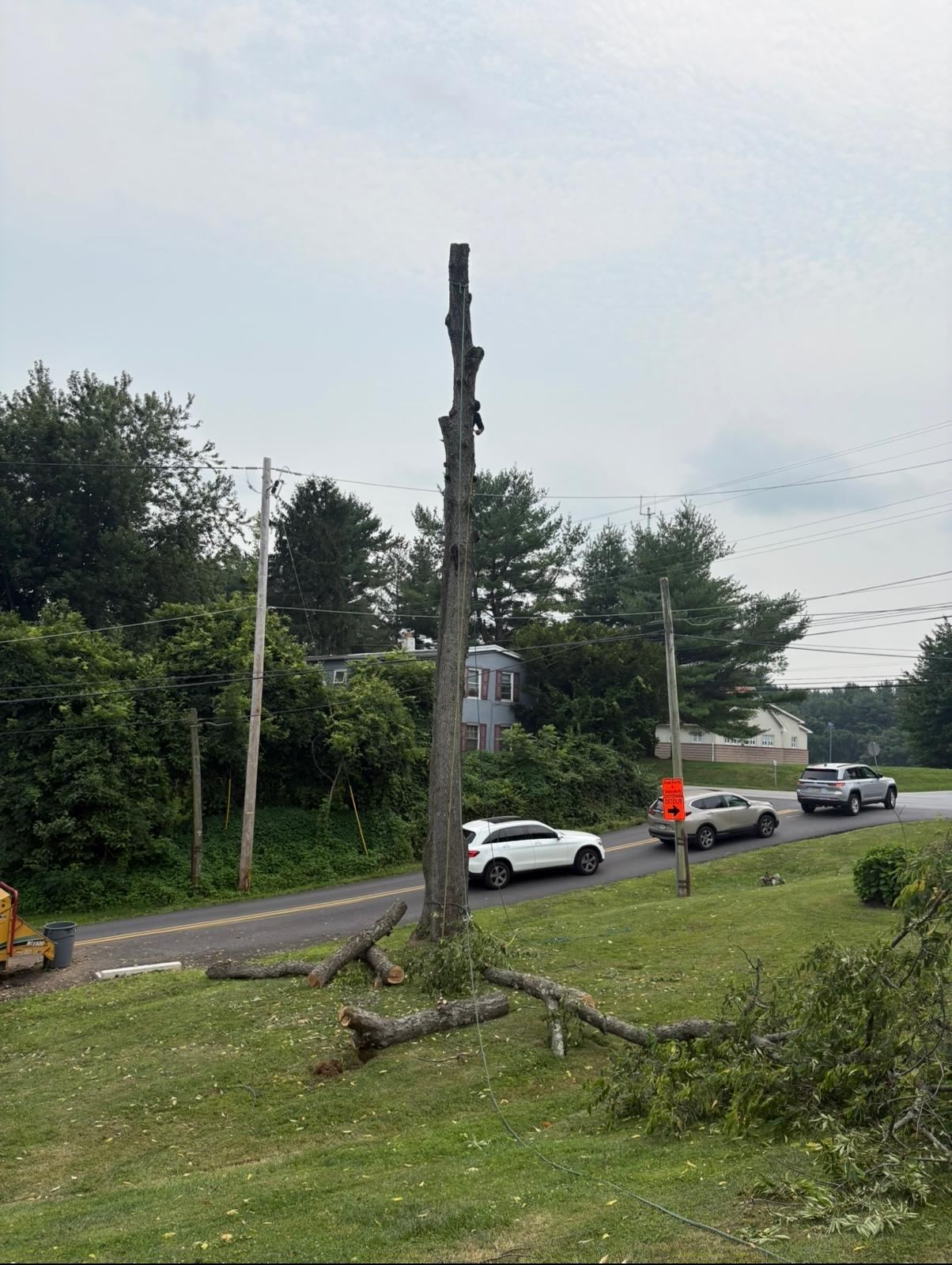
Planning tree trimming and pruning involves understanding your trees' needs, preparing your property, and selecting the right professional service. Proper planning promotes tree health, improves safety, and enhances your property's appearance. This guide helps you decide when and how to schedule these services and what factors to consider for a successful outcome.
Understanding Tree Trimming and Pruning
Tree trimming and pruning are essential maintenance practices that help keep trees healthy and safe. Trimming generally refers to removing overgrown or unwanted branches to shape the tree or clear space around structures, while pruning focuses on removing dead, diseased, or damaged limbs to improve tree health and growth.
Knowing the difference between trimming and pruning helps you communicate your needs clearly to a tree care professional. Both practices require skill to avoid harming the tree, so hiring experienced professionals is important. Proper pruning can extend a tree's life and reduce risks of falling limbs.
When to Schedule Tree Trimming and Pruning
The timing of tree trimming and pruning depends on the tree species, its growth cycle, and your property's specific needs. Generally, late winter or early spring before new growth begins is a good time for pruning, as it allows the tree to heal quickly. However, some species may require pruning at other times to avoid sap bleeding or disease.
You should consider scheduling trimming or pruning if you notice dead or broken branches, branches obstructing walkways or structures, or if the tree's shape is unbalanced. Seasonal storms or damage may also necessitate emergency pruning to remove hazardous limbs.
Preparing Your Property for Tree Services
Before the tree care professionals arrive, clear the area around the tree to provide easy access and ensure safety. Remove vehicles, lawn furniture, and any obstacles within the work zone. Inform neighbors if the work may affect shared spaces or cause noise.
Discuss with the service provider any specific concerns you have, such as protecting delicate plants or structures near the tree. Understanding local regulations related to tree work is also important, as some municipalities require permits or have restrictions on tree trimming and pruning.
Choosing a Tree Care Professional
Selecting a qualified tree care professional ensures the trimming or pruning is done safely and effectively. Look for companies with experience in your area and positive customer feedback. Confirm that they follow industry best practices and have appropriate equipment.
Ask the provider about their approach to pruning, how they protect tree health, and whether they offer cleanup services after the job. Clear communication about your goals and concerns will help the professional tailor their work to your property's needs.
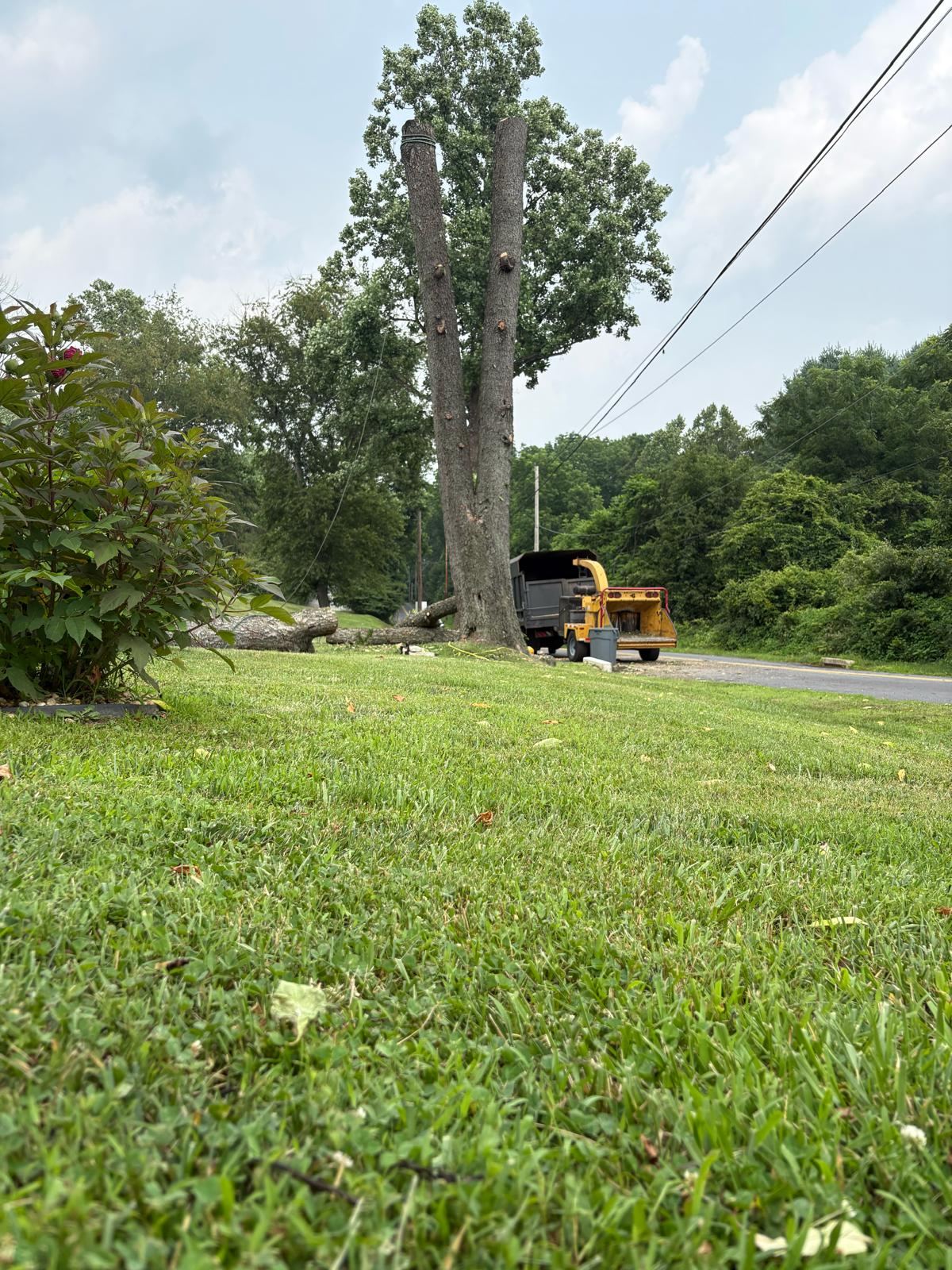
Common questions
How do I know if my tree needs pruning or trimming?
Signs that your tree may need pruning or trimming include dead or broken branches, branches touching structures or power lines, uneven growth, and visible disease or damage. Consulting a professional can help assess the tree's condition and recommend the best course of action.
What should I ask a tree service before scheduling work?
Before scheduling, ask about the company's experience, pruning techniques, safety measures, cleanup procedures, and whether they comply with local regulations. Clarify the expected timeline and cost estimate to avoid surprises.