Jacob Tree Services Blog
How to Plan Tree Removal and Access for Your New Jersey Property
Planning tree removal on your New Jersey property near Hamilton Township involves understanding access logistics, local regulations, and site conditions. This guide explains key steps to prepare your property for tree removal safely and efficiently, helping you communicate effectively with tree service professionals and make informed decisions.
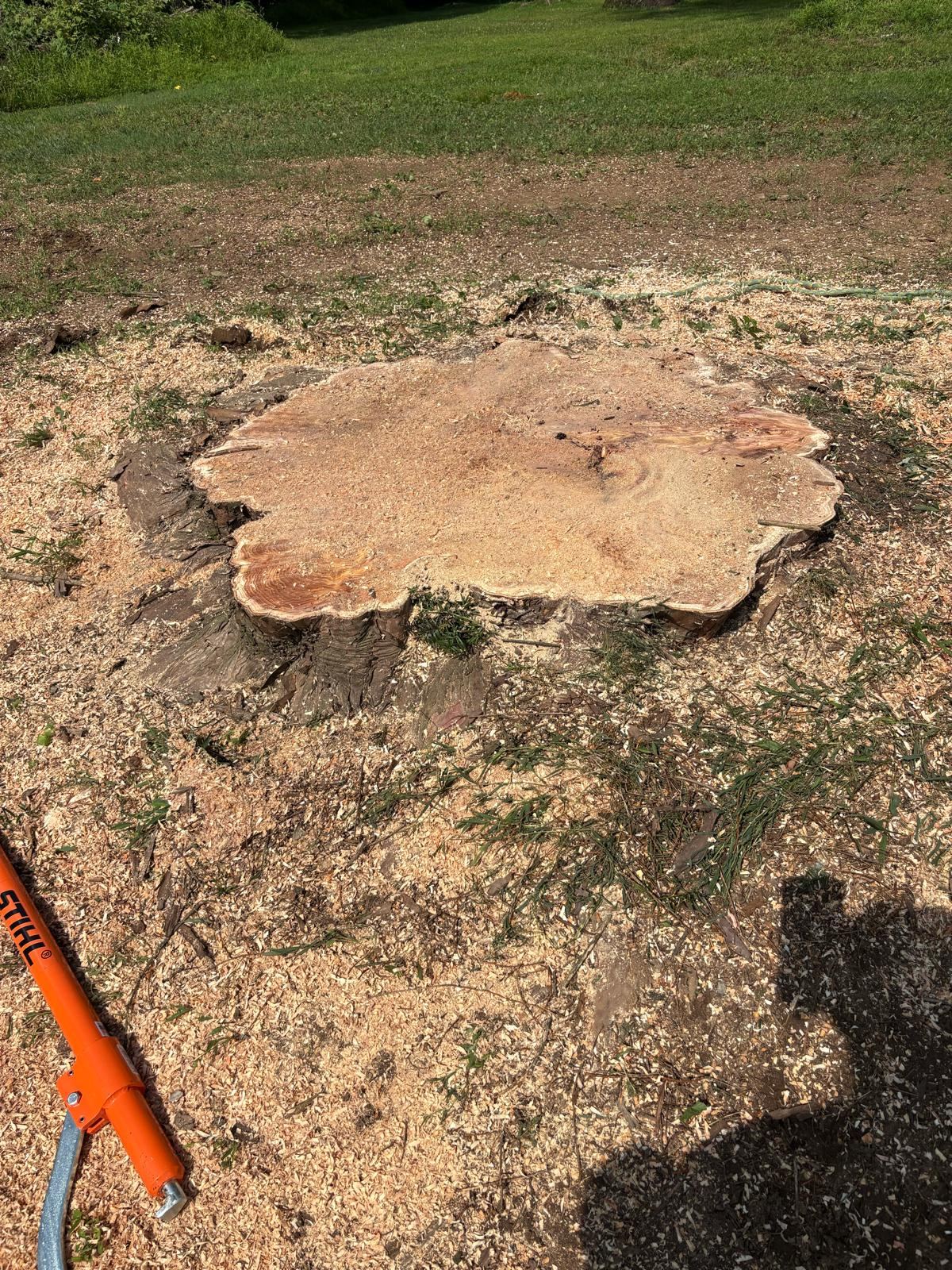
Planning tree removal and access for your property near Hamilton Township, New Jersey requires careful consideration of several factors to ensure the process goes smoothly and safely. First, you should assess the site conditions, including access points, soil firmness, and proximity to structures. Limited yard access or nearby buildings can affect the equipment and methods used for removal. Communicating these constraints clearly to your tree service provider before finalizing an estimate is crucial. They can then propose an appropriate removal plan that fits your property’s specific needs. Additionally, understanding local regulations about tree removal and permits helps avoid delays or compliance issues. Preparing your property includes clearing pathways, marking utility lines, and identifying features that need protection during work. By planning access routes and equipment placement in advance, you can minimize damage to landscaping and structures. Finally, discuss with your contractor how weather or unexpected site conditions might affect scheduling or require adjustments to the removal method. This preparation helps you make informed decisions, coordinate effectively with professionals, and supports a safer, more efficient tree removal project.
Understanding Site Access and Its Impact on Tree Removal
Access to your property is a critical factor in planning tree removal. Narrow gates, enclosed yards, or obstacles such as fences and landscaping can limit the types of equipment that can be used. When access is tight, specialized methods like crane removal or smaller machinery may be necessary. However, the suitability of such methods depends on more than just physical space; ground conditions, slope, and nearby structures must also be considered.
Before scheduling removal, provide your tree service professional with detailed information about access points, including photographs of gates, driveways, and any narrow passages. This helps them assess which equipment can be safely brought in and how materials and debris will be moved out. A clear plan for access reduces surprises on the day of the job and helps avoid damage to your property.
Local Regulations and Permit Requirements in Hamilton Township
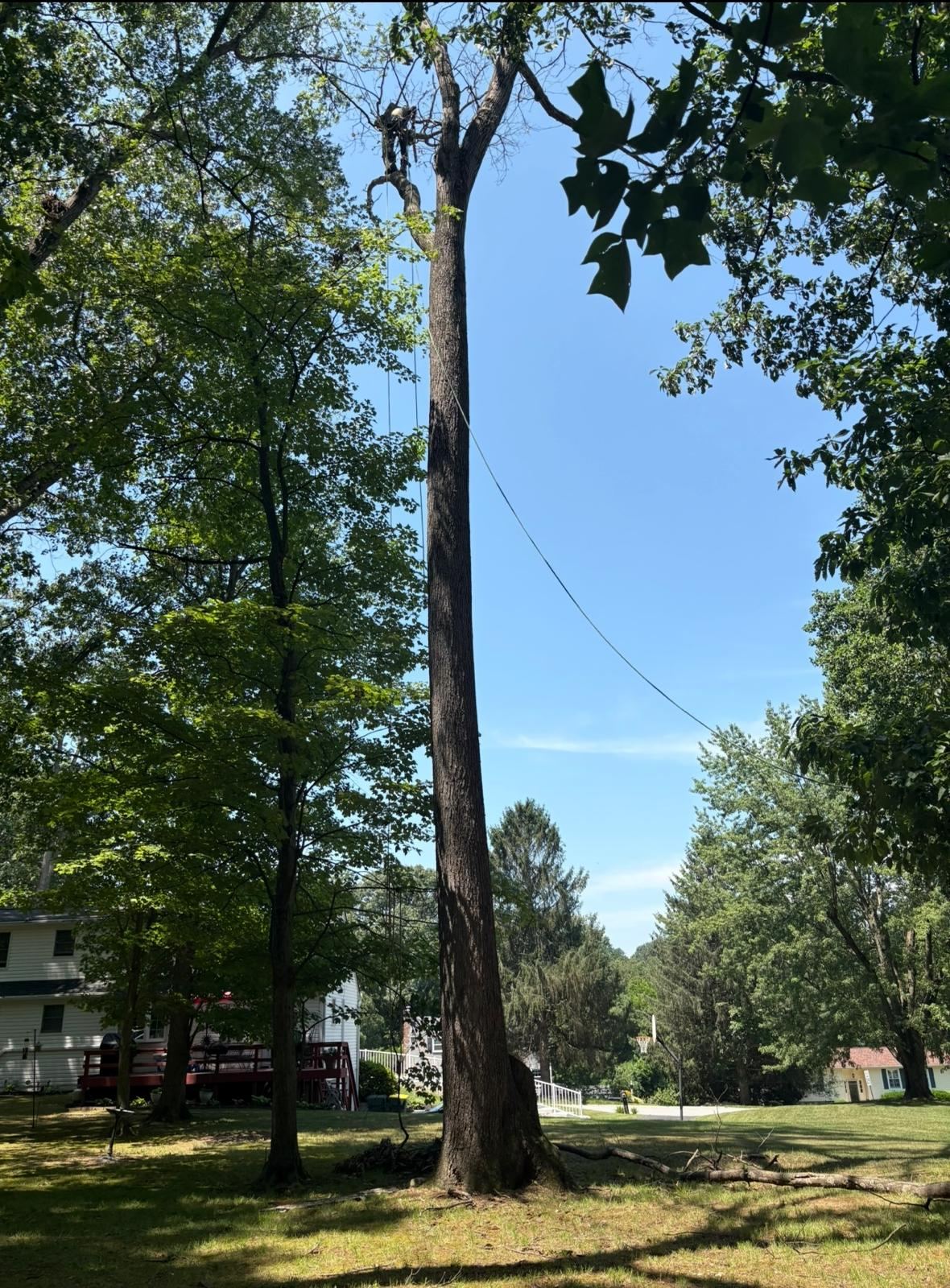
Tree removal in Hamilton Township is subject to local ordinances designed to protect the environment and community welfare. For example, removing certain numbers or sizes of trees may require a permit from the township. These regulations also define terms like hazard trees and specify application procedures, including providing detailed plats and information about the trees to be removed.
Understanding these rules early in your planning process helps ensure compliance and avoids potential fines or project delays. Your tree service provider can assist with the permit application process or advise you on when permits are necessary. Always verify that any required permits are secured before work begins.
Preparing Your Property for Tree Removal Work
Proper preparation of your property supports a safer and more efficient tree removal process. Start by clearing pathways and access routes of obstacles such as vehicles, garden furniture, or tools. Mark any underground utilities, septic systems, or irrigation lines to prevent accidental damage during equipment operation.
Communicate clearly with your contractor about landscaping features or structures you want protected. Protective mats or barriers may be used to minimize damage to lawns or paved areas. Additionally, discuss contingency plans for weather-related delays or ground conditions that might affect equipment movement. Documenting the original condition of your property before work begins can help resolve any concerns about restoration after the project.
Coordinating Equipment Setup and Safety Measures
If a crane or other specialized equipment is proposed for tree removal, coordination is key. The operator will need a stable and suitable setup location that meets safety standards, considering ground firmness, slope, and obstructions. Providing information about buried tanks, retaining walls, or recent excavations helps the operator plan accordingly.
Confirm who is responsible for obtaining any necessary permissions if the equipment setup extends onto public roads or neighboring properties. Also, identify nearby overhead lines and require your contractor to coordinate with utility companies for safety precautions. Agree in advance on how unexpected issues, such as weather changes or blocked access routes, will be handled to avoid confusion during the project.
Common questions
What information should I provide to my tree service provider about property access?
You should provide detailed descriptions and photographs of all access points, including gates, driveways, narrow passages, slopes, and any obstacles. Also, inform them about underground utilities, septic systems, and landscaping features that require protection. This information helps the provider plan equipment use and debris removal routes safely and efficiently.
How can I ensure compliance with local tree removal regulations in Hamilton Township?
Start by checking whether your planned tree removal requires a permit under Hamilton Township ordinances. Provide necessary documentation, such as plats and tree information, when applying for permits. Work with your tree service provider to confirm that all local requirements are met before scheduling removal to avoid delays or penalties.