Jacob Tree Services Blog
How to Identify the Best Tree Trimming Techniques for Your Property
Choosing the right tree trimming techniques is essential to maintain the health, safety, and appearance of your trees. This guide explains common trimming methods, their purposes, and how to select the best approach for your property in New Jersey. Learn practical steps to prepare for professional trimming and how to evaluate different services.
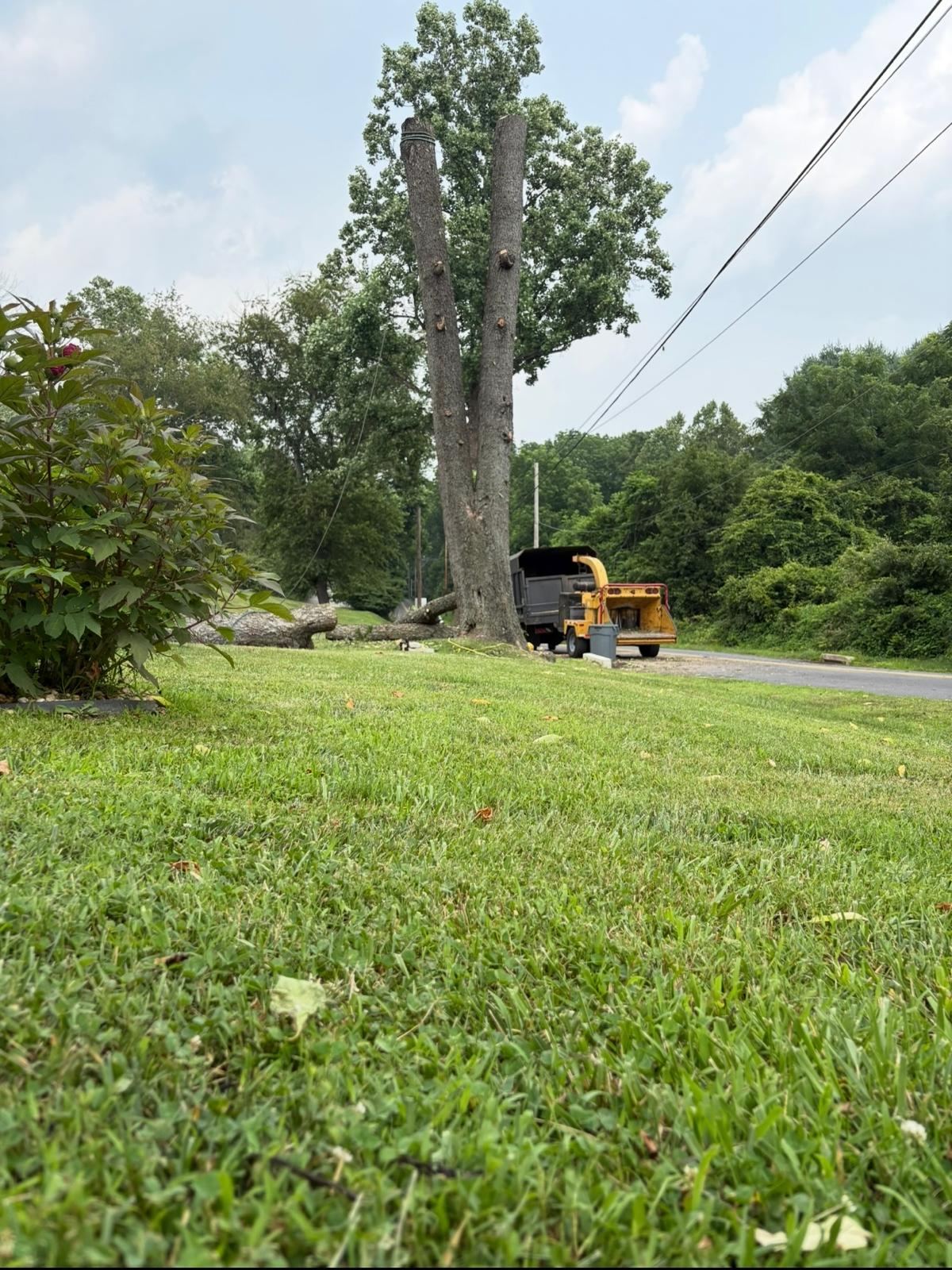
Tree trimming is a vital part of maintaining healthy and safe trees on your property. Selecting the appropriate trimming techniques depends on your goals, the tree species, and the tree’s condition. Common techniques include crown thinning to reduce canopy density, crown lifting to raise the lower branches for clearance, deadwood removal to eliminate hazardous branches, and structural pruning to guide young trees' growth. Each method serves a specific purpose, such as improving light penetration, reducing storm damage risk, or enhancing aesthetics. Before scheduling trimming, assess your trees’ health and safety needs and consult with a professional arborist familiar with local conditions in New Jersey. This preparation helps ensure the trimming approach aligns with your property’s requirements and long-term tree care goals. Understanding these techniques empowers you to make informed decisions about tree maintenance and to communicate clearly with your tree service provider.
Common Tree Trimming Techniques and Their Purposes
Tree trimming involves various specialized techniques designed to improve tree health, safety, and appearance. Crown thinning selectively removes interior and secondary branches to reduce canopy density without altering the natural shape. This improves light penetration and air circulation, which can reduce fungal growth and storm damage risk. Crown lifting removes the lower branches to provide clearance over driveways, walkways, and structures, making the area safer and more accessible. Deadwood removal targets all dead, dying, or structurally compromised branches that pose immediate hazards. Removing these branches promptly reduces the chance of falling limbs during storms.
Structural pruning focuses on young or developing trees, guiding their growth by establishing a dominant leader and removing competing stems. This technique builds a strong framework that supports the tree’s mature form and reduces future risks. Vista pruning is a selective approach that opens sightlines or recovers lost views without removing entire trees. Clearance pruning removes branches encroaching on buildings, utilities, or property lines to prevent damage and maintain safety. Each technique requires careful evaluation to match the tree’s species, size, and health condition.
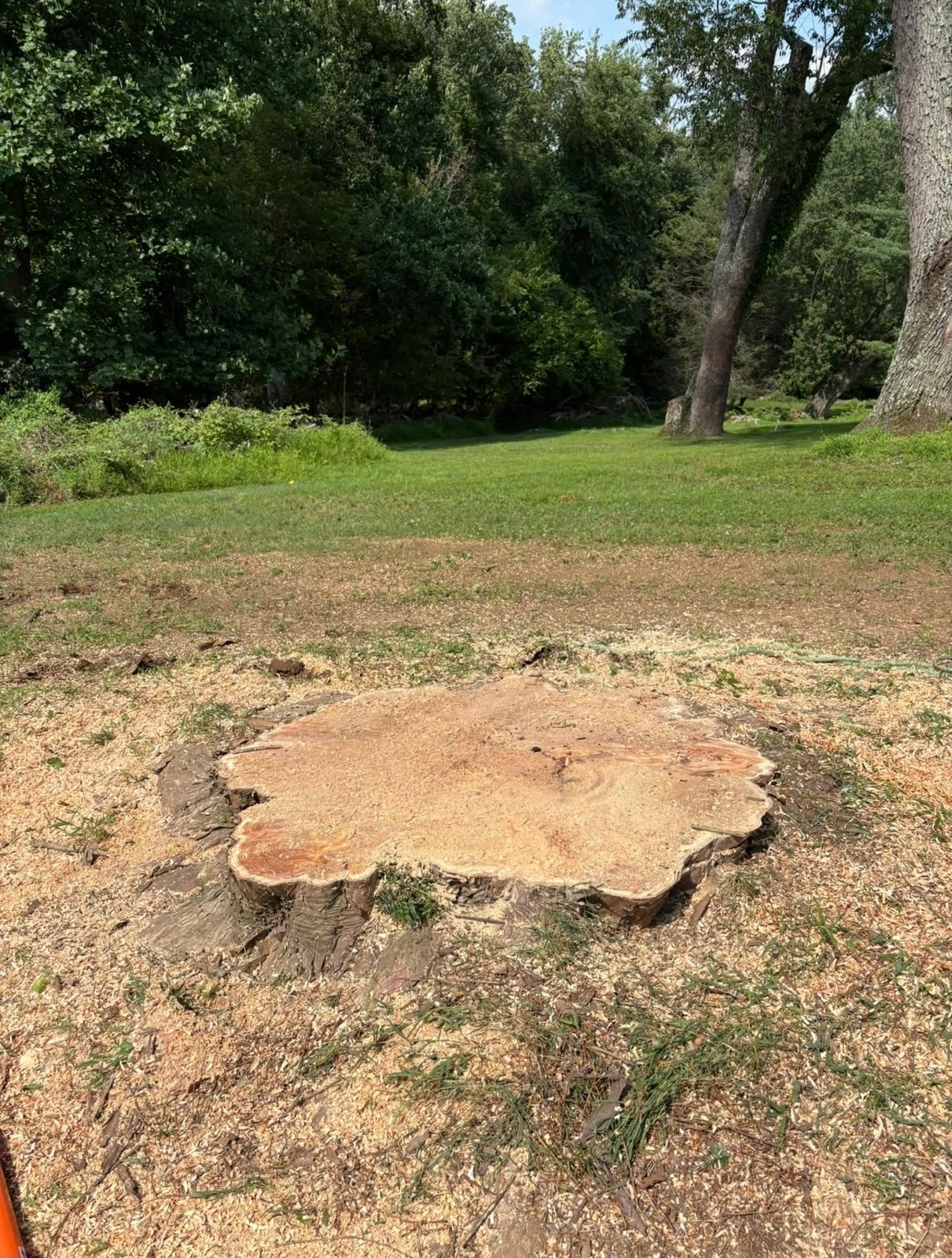
How to Choose the Right Trimming Method for Your Trees
Choosing the best trimming method starts with understanding your tree’s needs and your property goals. If your primary concern is safety, focus on deadwood removal and clearance pruning to eliminate hazards. For improving tree health and vigor, crown thinning and structural pruning are effective. When clearance is needed for access or aesthetics, crown lifting and vista pruning are appropriate. Consider the species of your tree, as some require trimming during specific seasons to avoid disease or stress. For example, many New Jersey trees benefit from pruning during dormancy in late winter or early spring.
Consulting a professional arborist is recommended to assess your trees and suggest the optimal trimming techniques. They can provide a tailored plan that balances safety, health, and appearance while following industry standards. A qualified service will also ensure cuts are made properly to avoid damaging the tree and will handle debris removal and site cleanup.
Preparing for Professional Tree Trimming Services
Before scheduling tree trimming, prepare your property to facilitate safe and efficient work. Clear the area around the tree of vehicles, outdoor furniture, and other obstacles. Inform your tree service provider about any underground utilities or irrigation systems near the tree to avoid damage during trimming. If your property is in New Jersey, check local regulations or permit requirements, especially if the tree is protected or near public areas.
Communicate your goals clearly with the tree service company, including any concerns about views, clearance, or tree health. Request a written scope of work and an itemized quote to understand the services included. Professional tree trimming companies typically follow ANSI A300 pruning standards, ensuring cuts are made correctly and the tree’s energy balance is preserved. After the job, expect a thorough cleanup and possibly a follow-up consultation to monitor the tree’s recovery.
Evaluating Tree Trimming Services and Making Your Decision
When comparing tree trimming providers, consider their experience, certifications, and adherence to industry standards. Look for companies that employ certified arborists and follow ANSI A300 pruning guidelines. Verify that the service includes a pre-work assessment, proper equipment use, and comprehensive cleanup. Ask about their approach to trimming techniques and how they tailor services to different tree species and property conditions.
Obtaining multiple quotes helps you understand the market pricing and the scope of services offered. Avoid companies that recommend excessive or harmful trimming methods like topping, which can damage trees. Instead, choose providers who emphasize preserving tree health and structure. Clear communication and a detailed contract ensure your expectations are met and help you prepare your property accordingly.
Common questions
What are the main benefits of crown thinning in tree trimming?
Crown thinning reduces canopy density by selectively removing interior branches, which improves light penetration and air circulation. This helps prevent fungal diseases, reduces wind resistance to lower storm damage risk, and promotes healthier growth by allowing more resources to reach the remaining branches.
How often should trees be professionally trimmed for optimal health?
Most established trees benefit from professional trimming every three to five years. Young trees may require more frequent visits, such as annually or biennially, to guide their structure and correct poor growth patterns before they become permanent.