Jacob Tree Services Blog
How to Group Tree Services Across Different Areas of a Property
A practical way to organize tree trimming, removal, pruning, and stump grinding requests when different parts of a property need different work. Group tasks by location and service, then make the scope and access details clear.
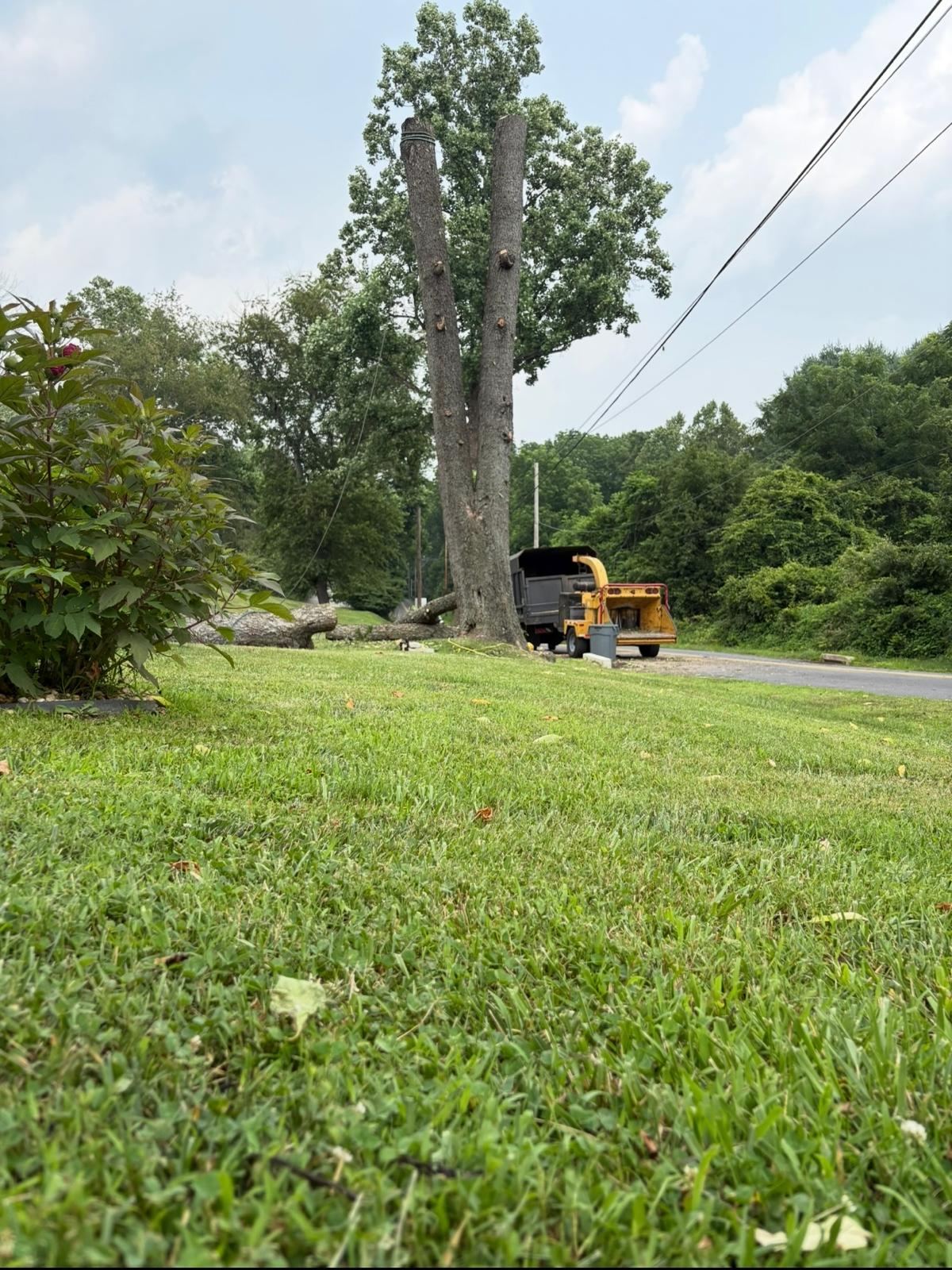
Group work by area first, then identify the service needed at each location. A simple property map or numbered photo set can connect each tree or stump to a clear request. Keep trimming, removal, and stump grinding as distinct tasks, even when they are part of one inquiry. This helps a provider review the scope, access, and any questions that need clarification before discussing next steps.
Start with areas, not a single list of trees
When several parts of a property need attention, a long list of tree names can be hard to interpret. Begin by dividing the site into recognizable areas, such as the front yard, side passage, rear garden, or a boundary line. Use labels that make sense to someone who has not visited: “Area A, front-left corner” is more useful than “the big tree.”
Make a simple sketch or use a property image, then mark each item with a number. The sketch does not need exact measurements. Show the house, driveway, paths, fences, and other visible landmarks so each number can be matched to a place. If you send photos, use the same numbers in the filenames or captions and in your written list. This reduces the chance that a question about one tree gets confused with another.
- Area A: front yard, near the driveway.
- Area B: rear boundary, beside the garden.
- Area C: side passage, near the house.
Use consistent area names and item numbers in every part of the request.
Separate the requested service for each item
After locating each item, describe the work you are asking about rather than assuming that every tree needs the same treatment. For example, one tree may be a candidate for trimming, another may need an assessment for removal, and a remaining stump may be a separate grinding request. These are different scopes, so list them separately even if you hope to discuss them together.
Use plain, observational language: “branches extend over the walkway,” “tree appears dead,” or “stump remains near the rear fence.” These notes explain why you are asking without presenting a diagnosis or deciding the work in advance. If you are unsure whether trimming, pruning, or removal fits, say so and ask for the appropriate assessment. Jacob Tree Services lists its available options on the tree services and stump grinding page.
| Request type | What to identify |
|---|---|
| Trimming or pruning | Tree number, area, and the branches or clearance concern you have noticed. |
| Removal | Tree number, location, and the reason you want the tree assessed. |
| Stump grinding | Stump number, location, and nearby access constraints. |
Describe what you observe and what service you want considered; leave the final scope open for discussion.
Describe access and nearby features
For each area, note how a crew might reach it and what is nearby. Mention gates, narrow passages, steps, slopes, fences, sheds, planting beds, or surfaces you want the provider to know about. You do not need to judge whether equipment can fit. The useful detail is what is present and where it is, so the provider can ask follow-up questions about access.
Keep access notes tied to the numbered item. “Area B is behind the house; access is through the side gate” is clearer than a general note that the backyard is difficult to reach. If the route changes between areas, describe each route separately. Include any practical limits you know, such as a gate that is usually locked or a path that should remain clear. Avoid assuming that one access plan applies to every task.
- Name the route to each area and any gate or passage along it.
- Point out nearby structures, fences, paths, or planted areas.
- Say which parts of the property should remain accessible or undisturbed.
- Flag details you are uncertain about as questions, not conclusions.
Use photos to clarify, not replace, the written scope
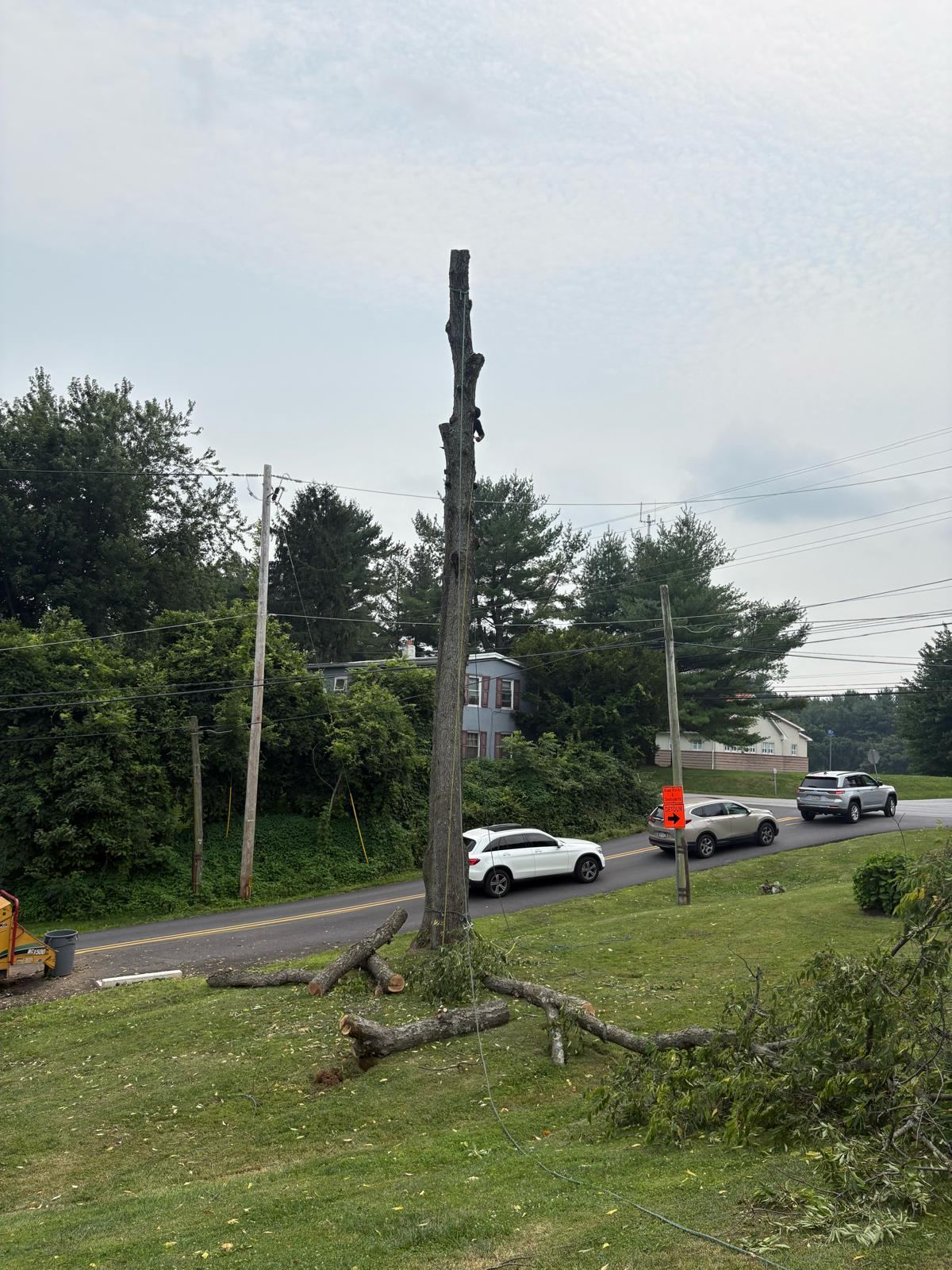
A small, organized photo set can help explain a request. For each item, consider one wider view that shows the tree or stump in its surroundings and one closer view of the feature you want discussed. Keep the image labels aligned with your sketch and list. A photo of a branch, for instance, is easier to interpret when the matching note identifies the tree and the area.
Photos have limits: they may not show the full height, condition, access route, or what lies behind the subject. Do not treat an image as a substitute for an on-site assessment when one is needed. If a tree has changed since the photo was taken, say when it was captured and describe the change. For a request involving several areas, a short note explaining the order of the images can prevent confusion.
Match each image to an item number and state what you want the provider to notice.
Send one organized request and confirm the scope
Once the areas, services, access notes, and photos are organized, combine them into one concise inquiry. Ask the provider to confirm which items are included in the discussion and whether any need a separate visit or additional information. If a task depends on another—for example, stump grinding after removal—state that relationship without assuming the timing or sequence.
Before agreeing to work, compare the written scope with your numbered list. Check that each requested item has a location, a service under consideration, and any relevant access note. Ask what cleanup or material handling is included if that matters to you, and clarify any exclusions. Requirements can vary by location and by the tree’s position, so ask the relevant local office about any approvals that may apply rather than assuming a rule is the same everywhere.
- Label areas and assign each tree or stump an item number.
- Write the service requested or the question you want assessed for each item.
- Add access notes and matching photos.
- Ask the provider to confirm the scope and identify any open questions.
- Review the written description before scheduling.
A grouped inquiry can cover multiple areas while keeping each task distinct and reviewable.
Common questions
Can I request trimming and stump grinding together?
You can include both in one inquiry, but list them as separate items with their own locations and access notes. They involve different work, and the stump may or may not relate to a tree included in the trimming request. Ask the provider to confirm whether both tasks fit within the same proposed scope and what information is still needed.
What if I do not know which service an area needs?
Identify the location, describe what you have noticed, and state that you are unsure which service is appropriate. A photo and a brief note can help explain the concern, but they may not show everything needed to assess the tree. Ask what further review or information is needed before deciding on the work.