Jacob Tree Services Blog
How to Evaluate Tree Removal Safety Measures Before Hiring a Service
Learn how to assess the safety precautions and professional standards of tree removal services to ensure a secure and efficient job on your property. This guide outlines key safety policies, licensing considerations, and practical steps to prepare for tree removal.
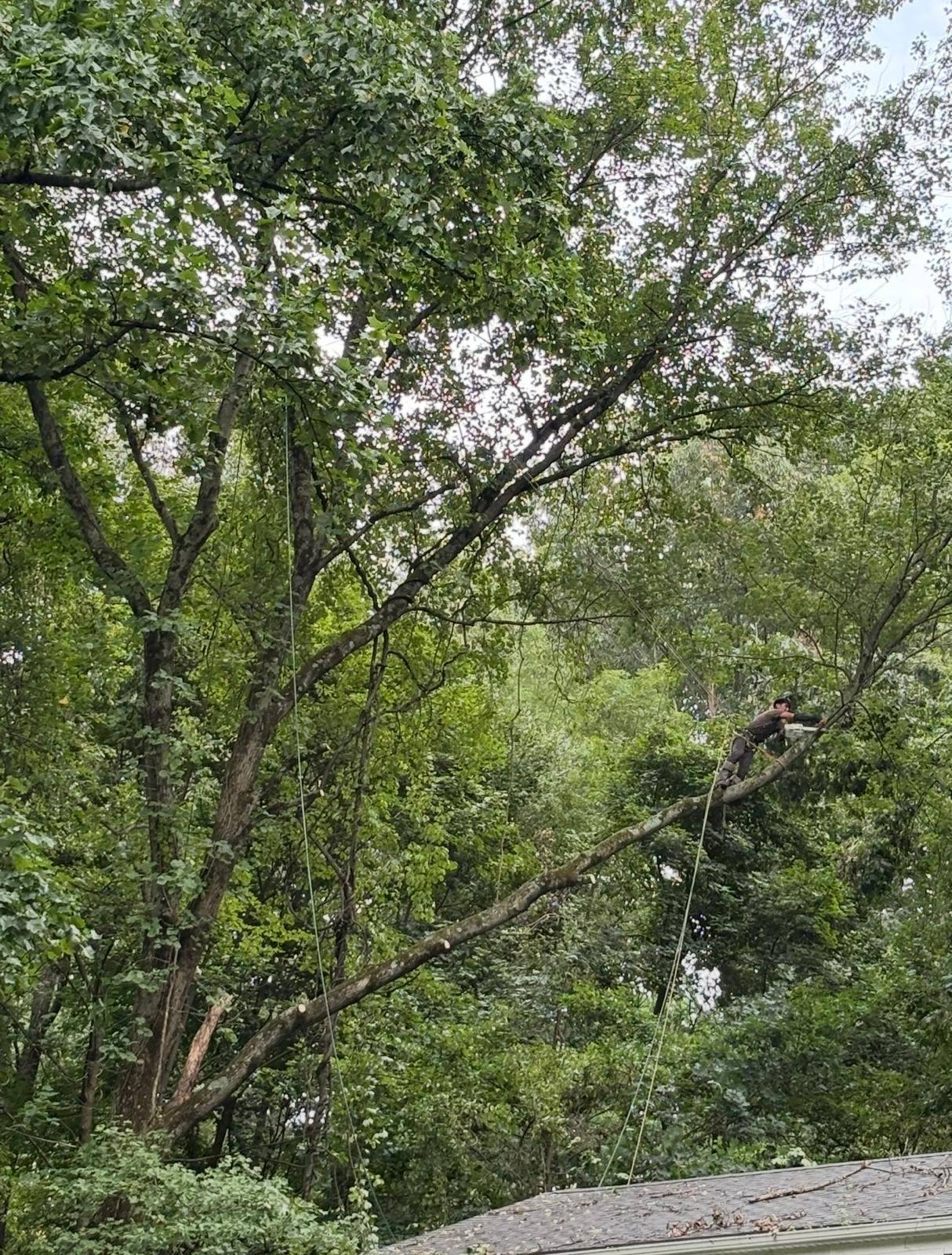
When hiring a tree removal service, evaluating their safety measures is crucial to protect your property, workers, and bystanders. Tree removal involves inherent risks such as falling branches, equipment accidents, and potential contact with power lines. To ensure a secure job, start by verifying that the company complies with relevant licensing requirements and industry safety standards. In New Jersey, licensed tree experts and care operators must follow regulations established by the New Jersey Board of Tree Experts, including adherence to ANSI and OSHA safety standards. Confirm that the service provider has a comprehensive written safety policy that is communicated to all employees and regularly updated. This policy should cover responsibilities, emergency procedures, and training programs. Additionally, inquire about the company's experience with similar tree removal projects and their approach to risk assessment. Practical preparation on your part includes clearing the work area and communicating any property access issues. Understanding these safety measures helps you select a professional service that prioritizes safety and professionalism, though outcomes can vary based on specific circumstances.
Understanding Licensing and Professional Standards
Tree removal in New Jersey is regulated under the Tree Expert and Tree Care Operators Licensing Act, which requires individuals performing such work to obtain proper licensure. Licensed Tree Experts (LTEs) and Licensed Tree Care Operators (LTCOs) must pass examinations and meet standards of good moral character. These licenses ensure that the professionals are knowledgeable about tree care practices and safety protocols.
Licensed professionals are required to comply with industry standards such as the ANSI A300 series for tree care operations and ANSI Z133 safety standards. They must also follow OSHA regulations relevant to arboriculture. These requirements help maintain consistent safety and quality across tree removal projects.
Key Elements of a Tree Removal Safety Policy
A reputable tree removal company maintains a comprehensive safety policy that outlines its commitment to employee and public safety. This policy assigns clear responsibilities, includes confidential reporting systems, and specifies emergency procedures. It should be visible to all employees and regularly reviewed and updated.
The safety policy also establishes training requirements and enforcement measures to ensure all workers understand and follow safety protocols. Supervisors are accountable for enforcing these standards on the job site. Such a living document fosters a culture of safety, reducing the risk of accidents during tree removal.
Assessing Safety Practices During Tree Removal
When evaluating a tree removal service, ask about their approach to risk assessment and hazard mitigation. This includes how they identify potential dangers such as power lines, unstable limbs, or difficult terrain. The company should use appropriate equipment and techniques tailored to the specific tree and site conditions.
Professional teams will plan the removal process carefully, including establishing exclusion zones to keep bystanders safe. They should also communicate clearly with property owners about the steps involved and any preparations needed to facilitate a safe job.
Preparing Your Property for Safe Tree Removal
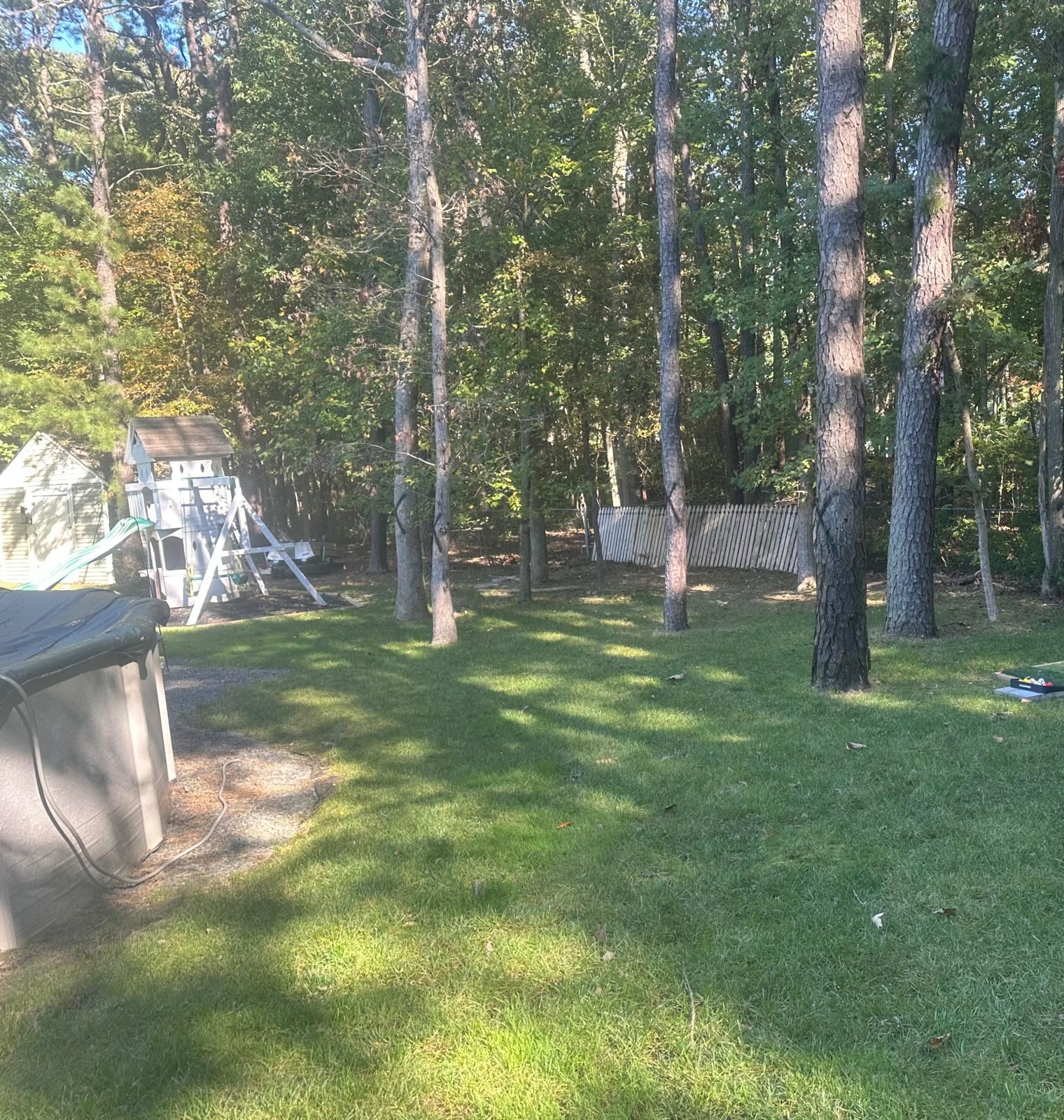
Before the scheduled removal, clear the area around the tree of vehicles, outdoor furniture, and other obstacles to provide safe access for workers and equipment. Inform neighbors if the work may affect shared spaces or roadways.
Ensure that the service provider has unobstructed access to the site and that any pets or children are kept away during the work. While you should avoid attempting any tree work yourself, being proactive in preparing your property helps the crew perform the job efficiently and safely.
Common questions
What licensing should I verify before hiring a tree removal service?
In New Jersey, verify that the tree removal company employs Licensed Tree Experts or Licensed Tree Care Operators as regulated by the New Jersey Board of Tree Experts. These professionals have passed required exams and adhere to industry safety and ethical standards. Confirming licensure ensures the provider is qualified to perform tree removal safely.
How can I tell if a tree removal company has a strong safety culture?
A strong safety culture is reflected in a comprehensive, written safety policy that is communicated to all employees and regularly updated. The company should provide training, enforce safety rules consistently, and hold supervisors accountable. Asking about these practices and requesting documentation can help you assess their commitment to safety.