Jacob Tree Services Blog
How to Determine When Tree Removal Is Needed for Your Property
Learn the key signs that indicate when tree removal is necessary on your property, understand local regulations in Hamilton Township, New Jersey, and discover how to prepare your property for professional tree removal services. This guide helps property owners make informed decisions and plan effectively for safe and compliant tree removal.
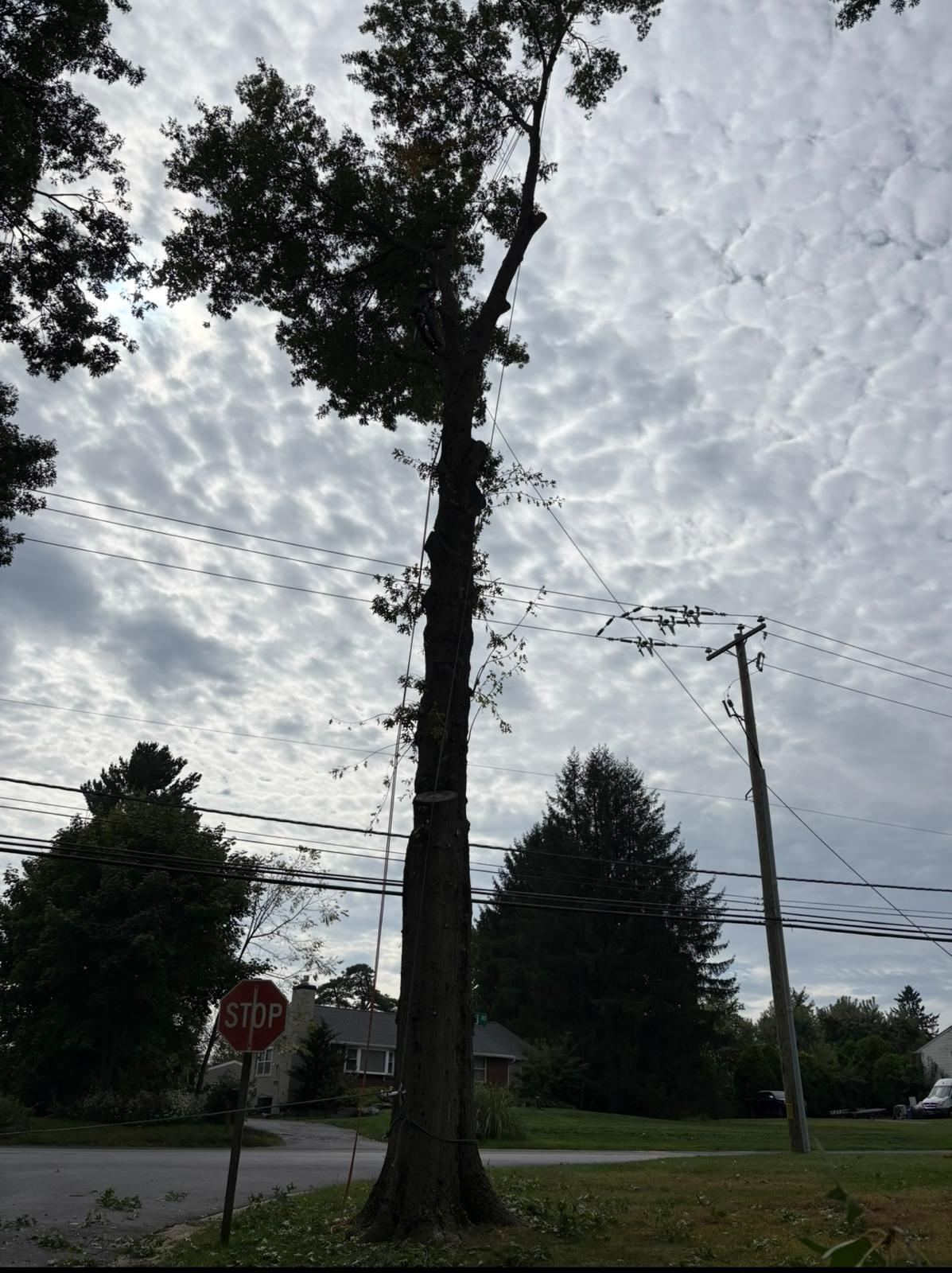
Determining when to remove a tree from your property involves recognizing specific signs that indicate the tree may pose a risk or is beyond recovery. Common reasons for tree removal include dead or dying trees, those with severe disease or insect infestations, trees causing structural damage, or those obstructing important views or passageways. Local regulations, such as those in Hamilton Township, New Jersey, also guide when removal is allowed or required, especially to protect the environment and public safety. Preparing your property for tree removal involves assessing the site for access, identifying hazards, and communicating clearly with professional tree removal services to ensure a safe, efficient process. Understanding these factors helps property owners plan responsibly and maintain the health and safety of their landscape.
Recognizing When Tree Removal Is Necessary
Trees are valuable assets to any property, providing shade, beauty, and environmental benefits. However, certain conditions make tree removal the safest and most practical option. Signs that a tree may need removal include visible decay, large dead branches, significant lean, root damage, or evidence of disease and insect infestation. Trees that are dead or dying no longer provide benefits and can become hazards if they fall or drop limbs.
Another important factor is whether a tree is causing damage to nearby structures such as foundations, sidewalks, or driveways. Trees with roots that disrupt these elements may need removal to prevent costly repairs. Additionally, trees obstructing traffic signs, pedestrian pathways, or creating visibility issues can be subject to removal, especially if pruning efforts have been ineffective. Consulting a certified arborist or licensed tree expert can provide a professional assessment to determine if removal is the best course of action.
Understanding Local Tree Removal Regulations in Hamilton Township, NJ
Hamilton Township has specific ordinances regulating tree removal to balance property rights with environmental protection and community welfare. For example, the township defines a 'hazard tree' as one that is dead, dying, diseased, or posing a threat to public safety, which may be removed following proper application and approval procedures. Clear-cutting regulations limit the removal of large numbers of trees within a specified timeframe to prevent soil erosion and maintain neighborhood character.
Property owners must submit an application with detailed information about the trees to be removed, including species, size, and location. The township also requires adherence to setbacks and protection of critical root zones to minimize environmental impact. Understanding these rules before scheduling tree removal helps avoid delays and ensures compliance with local laws.
Preparing Your Property for Professional Tree Removal
Before professional tree removal, it is important to prepare your property to facilitate a safe and efficient process. Clear the area around the tree of vehicles, outdoor furniture, and other obstacles to provide access for equipment and personnel. Mark any underground utilities or sprinkler systems to prevent accidental damage during removal.
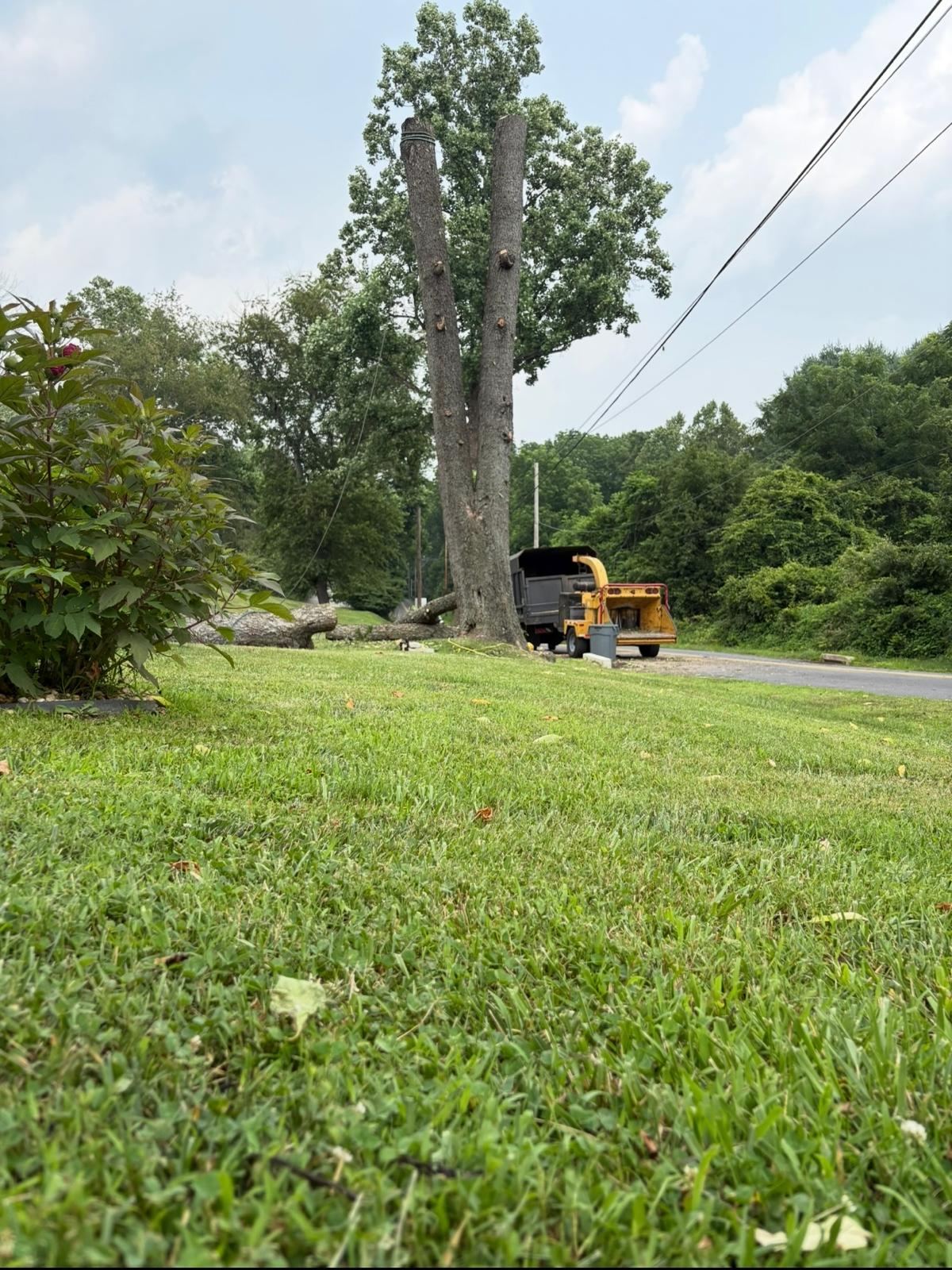
Communicate with your tree removal service about any concerns such as proximity to power lines, structures, or landscaping features. A qualified service will assess the site and plan the removal method accordingly, which may involve crane use or sectional dismantling for large or hazardous trees. Proper preparation minimizes risks and helps the project proceed smoothly.
Choosing a Tree Removal Service and What to Expect
Selecting a professional tree removal service involves considering experience, equipment, and local knowledge. Jacob Tree Services offers comprehensive tree removal solutions tailored to the needs of property owners near Hamilton Township, New Jersey. Their team follows safety best practices and complies with local regulations to protect your property and community.
During the removal process, expect the crew to secure the area, use specialized equipment, and remove the tree in sections if necessary. After removal, services may include stump grinding and site cleanup to restore your landscape. Clear communication about the scope of work and any permits required helps set realistic expectations for timing and cost.
Common questions
What are the key signs that a tree on my property needs to be removed?
Key signs include visible decay or dead branches, significant leaning, root damage, disease or insect infestation, and damage to nearby structures. If a tree obstructs traffic signs or pedestrian paths and pruning has not helped, removal may be necessary. A professional assessment by a certified arborist can confirm these conditions.
How can I prepare my property before a professional tree removal service arrives?
Clear the area around the tree of obstacles like vehicles and furniture, mark underground utilities, and communicate any special concerns to the service provider. Ensuring good access and site safety helps the removal proceed efficiently and reduces risks to your property.