Jacob Tree Services Blog
How to Compare Tree Removal and Stump Grinding for Your Property Needs
Understand the key differences between tree removal and stump grinding services to make an informed decision that suits your property’s safety, aesthetics, and future landscaping plans. This guide explains when each service is appropriate, what to expect during the process, and how to prepare your property for these tree care needs.
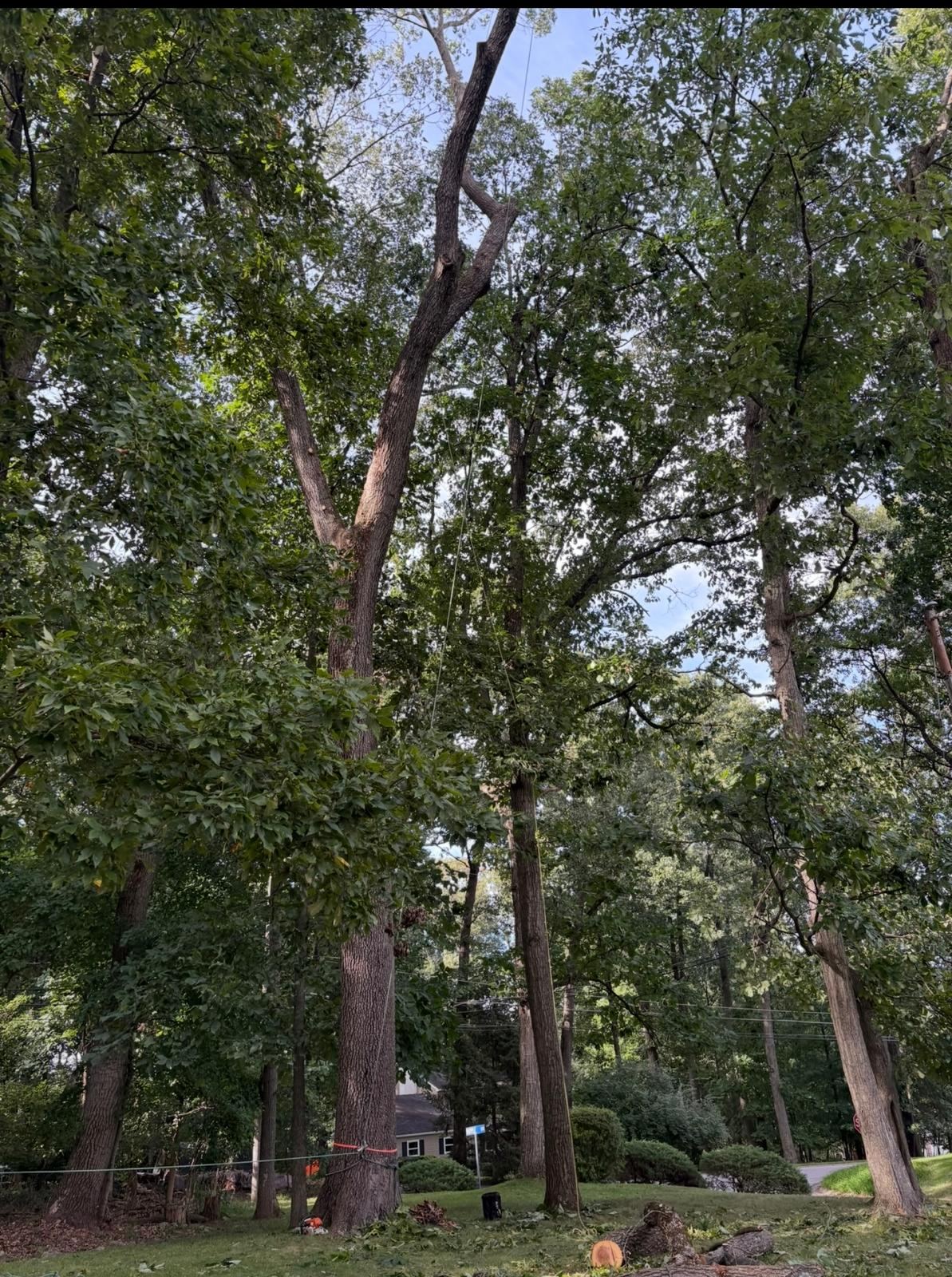
When deciding between tree removal and stump grinding for your property, it’s important to understand that these are distinct services addressing different needs. Tree removal involves cutting down and safely removing the entire tree, including the trunk and branches, usually when the tree poses a hazard, is diseased, or interferes with property use. Stump grinding, on the other hand, focuses on removing the remaining stump after a tree has been cut down, grinding it below ground level to clear the area for aesthetic or practical reasons.
Choosing the right service depends on your property goals, safety concerns, and future landscaping plans. If a tree is dead, damaged, or obstructive, removal is often necessary. However, if the tree has already been removed but the stump remains, stump grinding can effectively clear the site without the need for full root extraction. Understanding these differences helps you communicate clearly with tree care professionals and ensures you receive the service best suited to your needs.
Understanding Tree Removal and When It’s Needed
Tree removal is the process of cutting down and taking away a tree from your property. This service is usually required when a tree is dead, diseased, structurally unsound, or poses a safety risk to people or property. It can also be necessary when the tree interferes with construction, landscaping, or utility lines.
The removal process involves assessing the tree’s condition, planning the safest way to cut and remove it, and disposing of the wood and branches. Professionals use specialized equipment and techniques to minimize damage to surrounding areas and ensure safety throughout the operation.
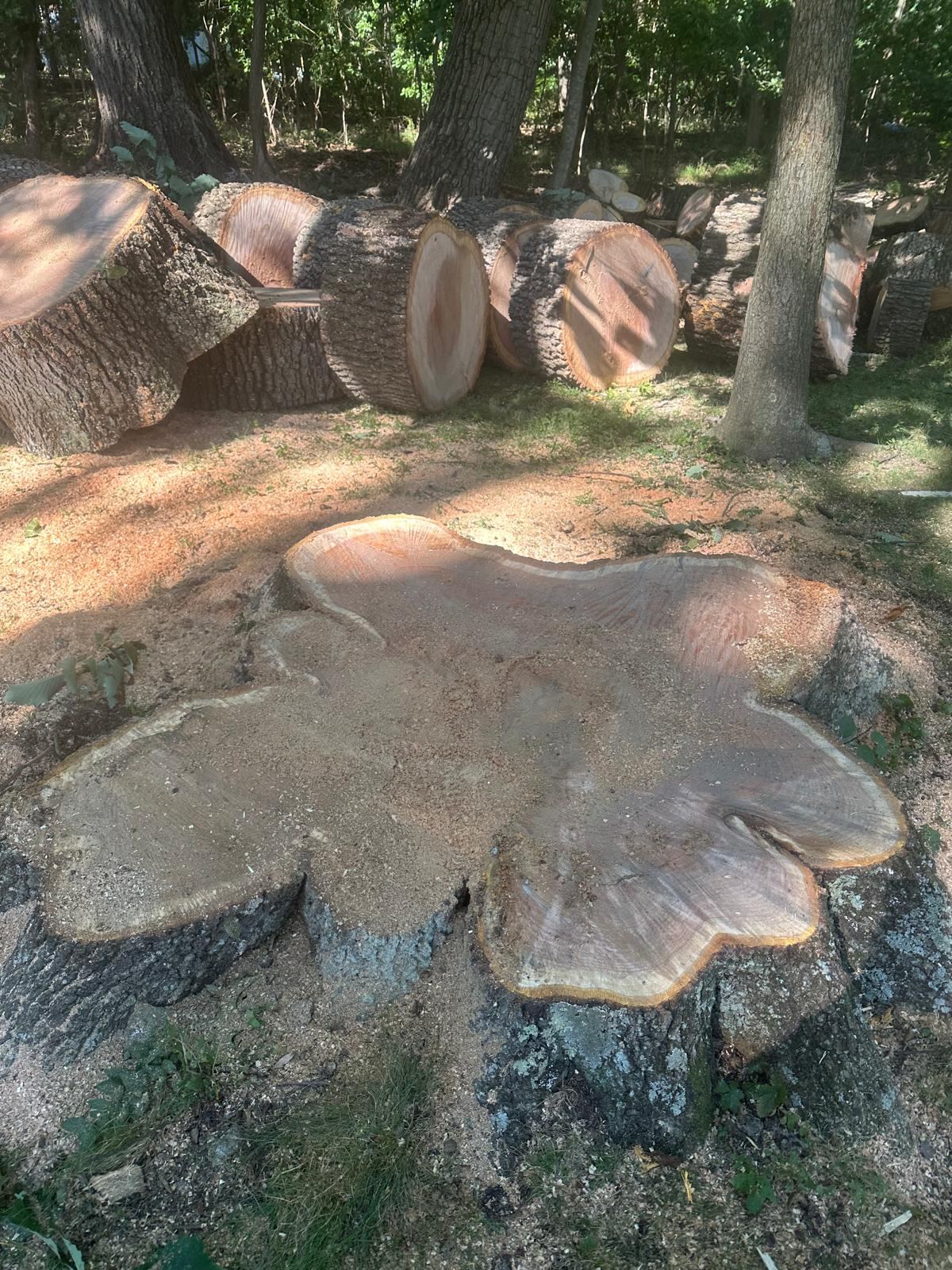
What Stump Grinding Entails and Its Benefits
Stump grinding is a service performed after a tree has been removed, focusing on eliminating the remaining stump by grinding it down below the soil surface. This process uses a powerful grinder to chip away the wood, making the area level and ready for new landscaping or construction.
Grinding stumps improves the appearance of your property, prevents tripping hazards, and reduces the chance of pests or diseases that can inhabit old stumps. Unlike stump removal, grinding does not extract the roots, which usually decompose naturally over time.
Key Differences Between Tree Removal and Stump Grinding
The main difference lies in their purpose and scope: tree removal addresses the entire tree, including trunk and branches, while stump grinding targets only the leftover stump after removal. Tree removal is generally a larger, more complex job requiring careful planning and safety measures. Stump grinding is typically quicker and less invasive but does not remove the root system.
Cost and preparation also differ. Tree removal costs vary based on tree size, location, and complexity, often higher than stump grinding. Stump grinding prices depend on stump diameter and depth of grinding. Preparation for tree removal may include obtaining permits and clearing access paths, whereas stump grinding usually requires less preparation.
Preparing Your Property and Choosing the Right Service
Before scheduling either service, assess your property’s needs carefully. If the tree is still standing and presents risks or obstructions, tree removal is the appropriate choice. If only the stump remains, stump grinding can restore the area effectively.
Communicate your goals clearly with the service provider, including what you plan for the space afterward. This helps determine if stump grinding depth or root removal is necessary. Also, check local regulations or permit requirements, especially for tree removal, to ensure compliance.
Hiring licensed and insured professionals familiar with New Jersey standards helps ensure the job is done safely and according to best practices.
Common questions
How do I know if my tree needs removal or just stump grinding?
If the tree is still standing and poses safety risks, shows signs of disease, or interferes with property use, tree removal is typically necessary. If the tree has already been cut down but the stump remains, stump grinding is usually sufficient to clear the area. Consulting a professional can provide a clear assessment based on the tree’s condition and your property goals.
What should I ask a tree service provider before scheduling these services?
Ask about their licensing and insurance status to ensure compliance with New Jersey regulations. Inquire about their experience with tree removal or stump grinding, safety procedures, equipment used, and whether they handle permits if required. Also, clarify costs, what the service includes (such as debris removal or hole filling), and how they manage site restoration after the work.