Jacob Tree Services Blog
How to Choose the Right Tree Service for Emergency Storm Damage Cleanup
Selecting a professional tree service for emergency storm damage cleanup requires careful consideration of credentials, insurance, scope of work, and safety. This guide explains key factors to evaluate and steps to prepare, helping property owners in New Jersey near Hamilton Township make informed decisions for safe and efficient storm tree removal and cleanup.
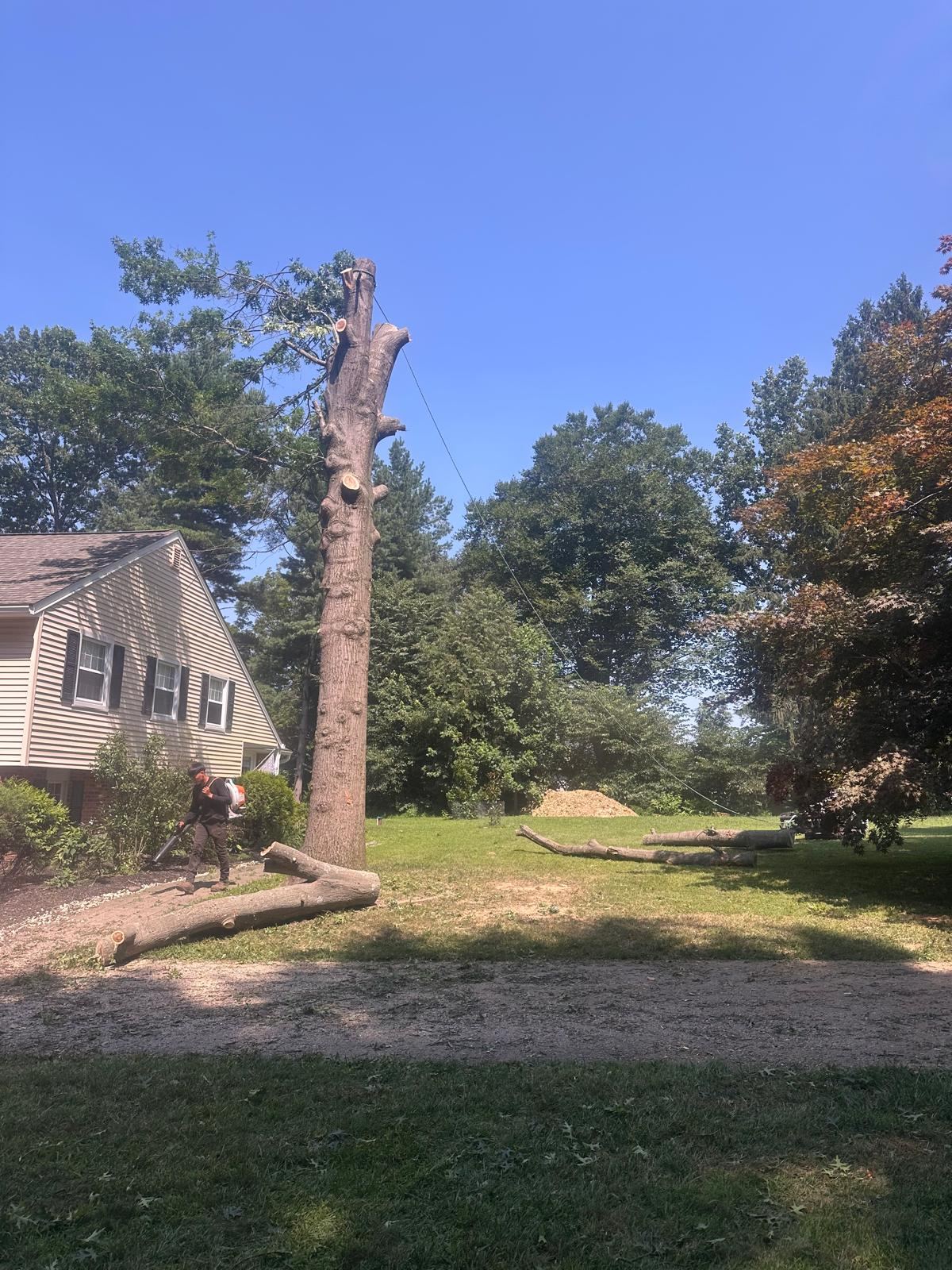
After a storm, dealing with fallen or damaged trees can be urgent and stressful. Choosing the right tree service for emergency storm damage cleanup is crucial to ensure the job is done safely and efficiently. Property owners in New Jersey near Hamilton Township should focus on verifying the company’s credentials, insurance coverage, and detailed scope of work before hiring. Tree work is inherently hazardous, especially after storms when conditions are unpredictable and risks like hidden power lines or unstable debris are high. Confirming that the company is registered with the New Jersey Board of Tree Experts and employs licensed professionals is an important step. Additionally, requesting an itemized proposal that breaks down removal, hauling, stump grinding, and cleanup helps compare bids accurately. Avoid companies that demand large upfront deposits or pressure you to decide quickly. Instead, choose a local, findable company with verifiable insurance and clear communication. After reading this guide, you will know what questions to ask and how to prepare your property for a safe and thorough storm damage cleanup.
Understanding the Importance of Credentials and Insurance
Tree work, especially after storms, involves significant risks such as falling limbs, unstable trees, and hidden hazards like downed power lines. In New Jersey, it is mandatory for tree care businesses to be registered with the Board of Tree Experts and to employ at least one licensed tree expert or tree care operator. This registration ensures that the company meets state standards for safety and professionalism.
Before hiring a tree service, ask to see their business registration and insurance certificates. The company should carry general liability insurance and workers’ compensation coverage. These protect you as a property owner from financial responsibility if an accident occurs during the work. It is common for certificates to be forged or expired, so verify their validity by contacting the insurance agent listed on the certificate.
Evaluating the Scope of Emergency Storm Cleanup Work
Storm damage cleanup often involves multiple tasks: removing fallen trees from structures, cutting and hauling trunks and branches, grinding stumps, and restoring the site. When requesting quotes, ask for a detailed, itemized proposal that clearly lists each service and its cost. This transparency allows you to compare bids fairly and understand what is included.
For example, some companies may include stump grinding in their removal price, while others charge separately. Similarly, cleanup and debris hauling might be additional. Knowing these details upfront prevents surprises and helps you plan your budget. If a crane or special rigging is needed due to the tree’s location, the proposal should explain why and include the cost.
Safety and Payment Considerations During Storm Cleanup
Safety is paramount when dealing with storm-damaged trees. Licensed professionals have the training and equipment to handle hazardous conditions safely. Avoid companies that start work immediately without a proper assessment or that offer to top a tree, which is an unsafe practice.
Regarding payment, tree removal is a labor-intensive service with no materials to pre-order. Therefore, large deposits are usually unnecessary. A small deposit to reserve a scheduling slot is normal, but paying a third or half of the total cost upfront is a red flag. Always pay the balance after the work is completed to your satisfaction, including cleanup and inspection of the property for any damage caused during the process.
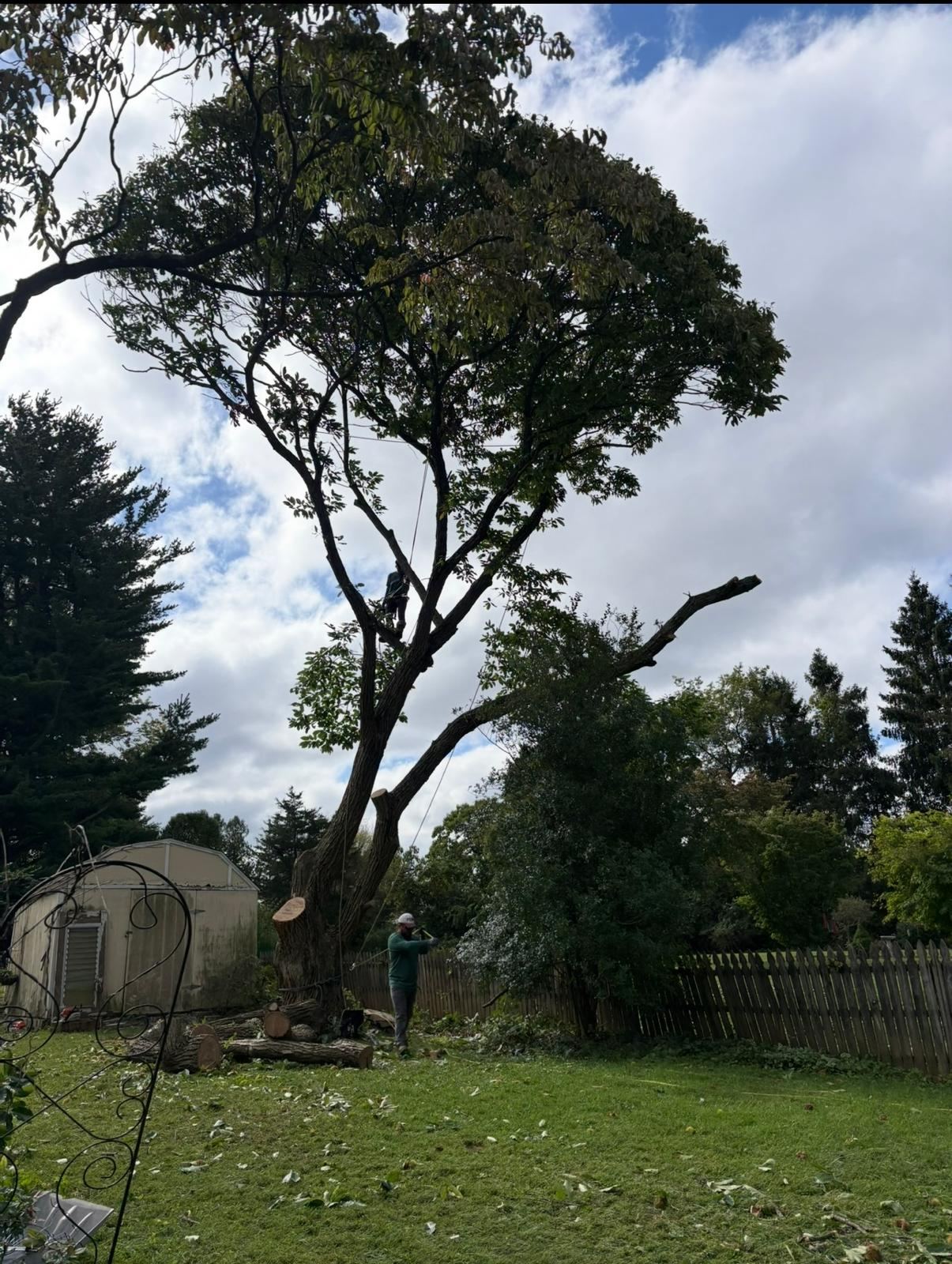
Preparing Your Property and Questions to Ask Your Tree Service
Before the cleanup crew arrives, clear the area around the damaged trees to the extent possible, keeping pets and people away from the work zone. Inform your neighbors if the work might affect shared spaces or access.
When contacting a tree service, ask these key questions: Who will perform the work – the company’s own crew or subcontractors? Is there an ISA Certified Arborist on staff for expert advice? Can you provide references from similar storm cleanup projects? What measures will you take to protect my lawn and structures during the work? Having clear answers helps you assess the professionalism and reliability of the service provider.
Common questions
What should I look for in a tree service’s insurance when hiring for storm cleanup?
Look for a certificate of insurance that includes general liability coverage of at least $1 million per occurrence and workers’ compensation insurance. Verify the certificate’s authenticity by contacting the insurance agent directly. This ensures that you are protected financially if accidents occur during the tree work.
How can I compare different tree service quotes for emergency storm damage cleanup?
Request itemized proposals from each company that separate costs for tree removal, hauling, stump grinding, cleanup, and any special equipment like cranes. Compare these line items rather than just total prices to understand what is included. This approach helps you identify missing services or inflated costs and make an informed choice.