Jacob Tree Services Blog
How to Choose Between Tree Trimming and Pruning for Healthy Trees
Understanding the key differences between tree trimming and pruning can help property owners decide which service best supports the health, safety, and appearance of their trees. This guide explains the purposes, techniques, timing, and outcomes of each method, enabling informed decisions for tree care.
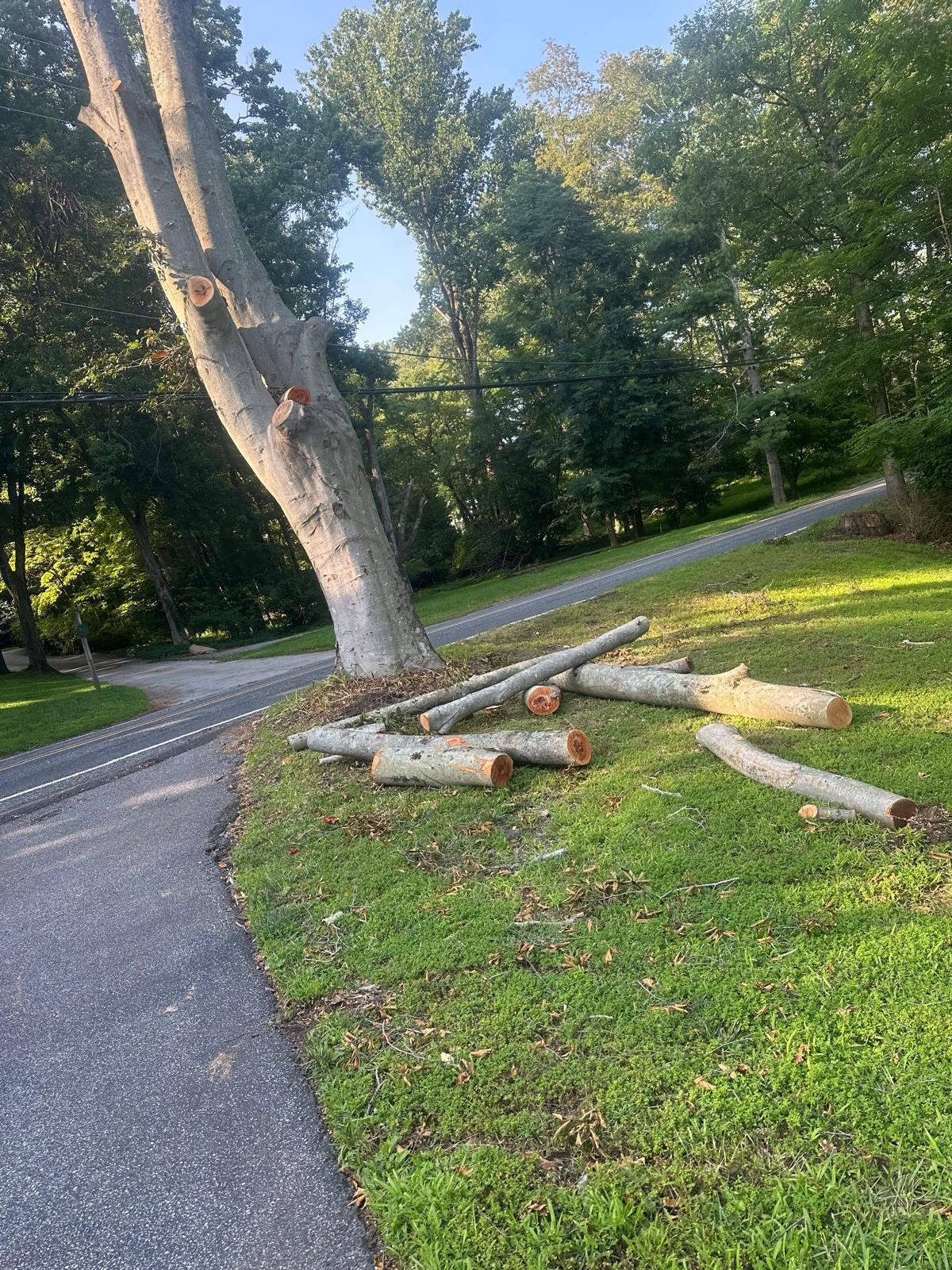
Tree trimming and pruning are two essential tree care services that serve different purposes but often complement each other. Trimming focuses primarily on shaping trees and shrubs for aesthetic appeal and clearance, while pruning targets the health, safety, and structural integrity of trees. Knowing which service your trees need depends on your goals and the condition of the trees. Trimming is ideal when you want to maintain a neat appearance, control growth, or clear branches from structures and walkways. Pruning is necessary when addressing dead or diseased branches, correcting structural defects, or preparing trees to withstand storms. Both services require proper techniques to avoid damaging the trees. After reading this guide, you will be able to distinguish between trimming and pruning needs and prepare to communicate effectively with a professional tree care provider to maintain healthy and attractive trees.
Understanding Tree Trimming: Purpose and Practice
Tree trimming is primarily concerned with managing the shape and size of trees and shrubs to enhance their appearance or maintain clearance around buildings, walkways, and power lines. It is often performed to keep formal hedges tidy, control overgrowth, or improve sight lines in a landscape. The focus of trimming is on the visual outcome rather than the internal health of the tree.
Typical trimming tasks include cutting back branches that encroach on roofs or gutters, shaping ornamental shrubs, and thinning dense growth to allow light and air penetration. While trimming can benefit the tree by preventing excessive crowding, it is mostly driven by property aesthetics and practical clearance needs.
Because trimming is often about appearance, the technique can be somewhat flexible, but care should still be taken to avoid removing too much foliage at once. Proper trimming respects the natural form of the tree and avoids cuts that could harm its long-term health.
Pruning for Tree Health and Safety
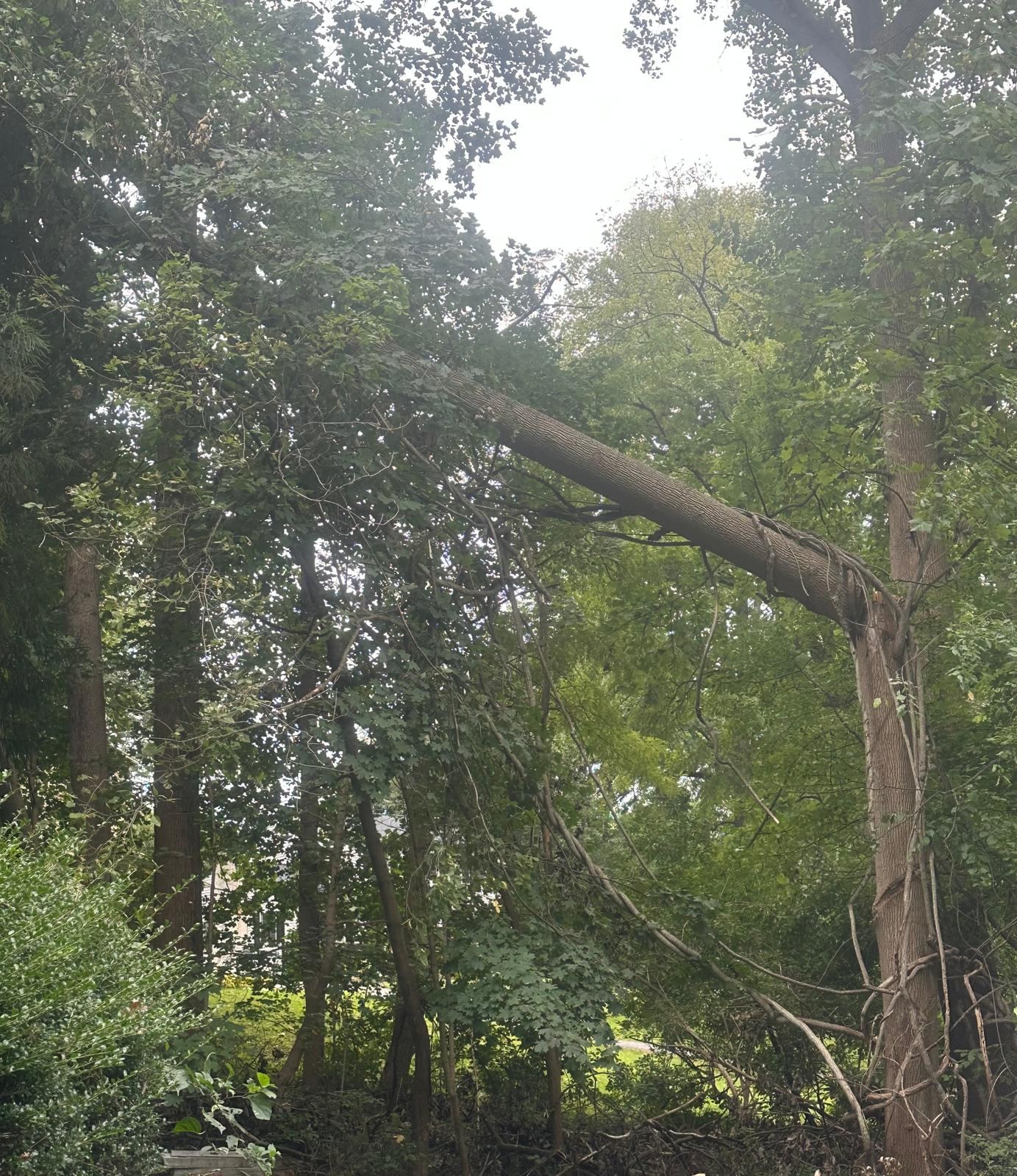
Pruning focuses on the internal health and structural soundness of trees. It involves removing dead, diseased, or weak branches that could pose safety risks or hinder the tree’s growth. Pruning also addresses structural issues such as co-dominant stems, included bark, and crowded canopies that increase the risk of limb failure.
This service is critical for extending the safe life of a tree, improving its resistance to storm damage, and encouraging strong, healthy growth. Pruning cuts are made carefully at the branch collar to promote proper wound closure and reduce the chance of decay.
Unlike trimming, pruning follows industry standards such as ANSI A300 to ensure cuts support tree biology and recovery. Over-pruning or improper cuts can stress or even kill a tree, so professional expertise is important. Pruning is often scheduled during dormant seasons but may be done as needed when hazards or disease are detected.
Key Differences Between Trimming and Pruning
The main difference between trimming and pruning lies in their objectives: trimming aims to shape and clear, while pruning aims to maintain health and safety. Trimming is usually performed for visual reasons or to maintain clearance, whereas pruning addresses the tree’s biological needs and structural integrity.
Timing also varies; trimming is done as needed based on growth and property use, often multiple times a year for fast-growing species or hedges. Pruning follows the tree’s growth cycle and health status, with formative pruning on young trees and maintenance pruning on mature trees typically done less frequently.
Tools and techniques overlap, but proper pruning requires knowledge of where to cut to avoid flush cuts or topping, which can harm trees. Both services can be combined in one visit, but the intent behind each cut should be clear to achieve the desired outcome without damaging the tree.
Making the Right Choice for Your Trees
To decide between trimming and pruning, consider what you want to achieve and the current condition of your trees. If your goal is to improve appearance or clear branches from structures, trimming is appropriate. If you notice dead branches, structural weaknesses, or want to prepare trees for storm resilience, pruning is the better choice.
When uncertain, consulting a professional arborist or tree care service can provide an assessment and recommendation tailored to your property’s needs. They can identify signs such as deadwood, included bark, or poor branch structure that indicate pruning is necessary.
Regular maintenance combining both trimming and pruning can keep trees healthy, safe, and visually appealing. Scheduling these services appropriately and using licensed professionals helps ensure the best care for your trees over time.
Common questions
What are the signs that my tree needs pruning instead of trimming?
Signs that a tree needs pruning include the presence of dead or diseased branches, visible cracks or splits in limbs, structural defects like co-dominant stems or included bark, overly dense canopies that increase wind resistance, and limbs that pose safety hazards. If you observe these issues, pruning can improve tree health and reduce risks.
Can trimming and pruning be done at the same time?
Yes, trimming and pruning can often be combined during a single visit. Many tree care professionals perform trimming to shape hedges or clear branches while simultaneously pruning to remove deadwood or correct structural problems. Combining these services can be efficient and cost-effective while addressing both appearance and health.