Jacob Tree Services Blog
Comparing Tree Trimming and Selective Pruning for Property Care
Understand the differences between tree trimming and selective pruning to make informed decisions for maintaining your property's trees. This guide explains the goals, techniques, and timing of each service, helping property owners choose the best approach for tree health and appearance.
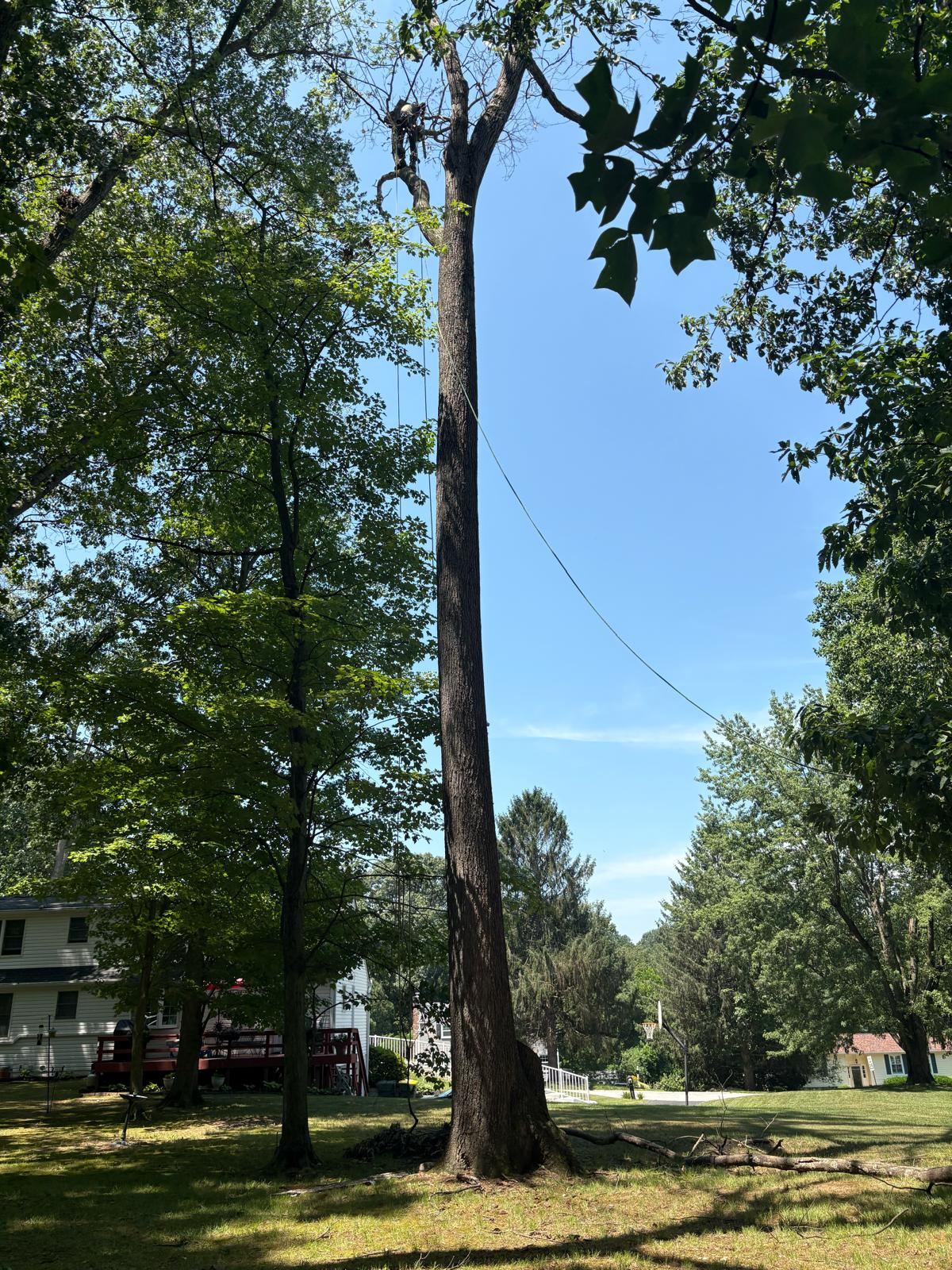
Tree trimming and selective pruning are terms often used interchangeably, but they have distinct meanings and purposes in professional tree care. Tree trimming generally refers to the broader practice of cutting back branches to control size, shape, or clearance around structures. Selective pruning, on the other hand, is a precise process focused on removing specific branches to improve the tree’s health, structure, and safety. Understanding these differences helps property owners choose the right service for their trees, ensuring long-term vitality and safety. When planning tree care, consider the objectives: trimming is mainly for maintenance and appearance, while pruning targets internal canopy issues such as dead or diseased branches. Both require professional assessment to avoid damage and promote proper healing. This guide compares the two approaches, outlines common pruning types, and explains when to seek each service. After reading, you will be better prepared to discuss your tree care needs with a professional and decide which method suits your property best.
Understanding Tree Trimming: Maintenance and Appearance
Tree trimming is a common term used by homeowners and tree service companies to describe the removal of branches primarily to control the tree’s size, shape, and clearance from buildings, walkways, or power lines. It is often performed to keep trees manageable and to maintain a neat appearance. Trimming usually involves cutting back the outer growth or the ends of branches to reduce overgrowth or interference with property features.
This service is typically scheduled regularly, every two to three years, depending on the tree species and growth rate. The main goals are to prevent branches from touching roofs or utility lines, improve sight lines, and maintain the overall aesthetic of the landscape. While trimming can include some pruning techniques, it focuses less on the internal health of the tree and more on external management. When done properly, trimming helps maintain clearance and reduces the risk of damage to structures.
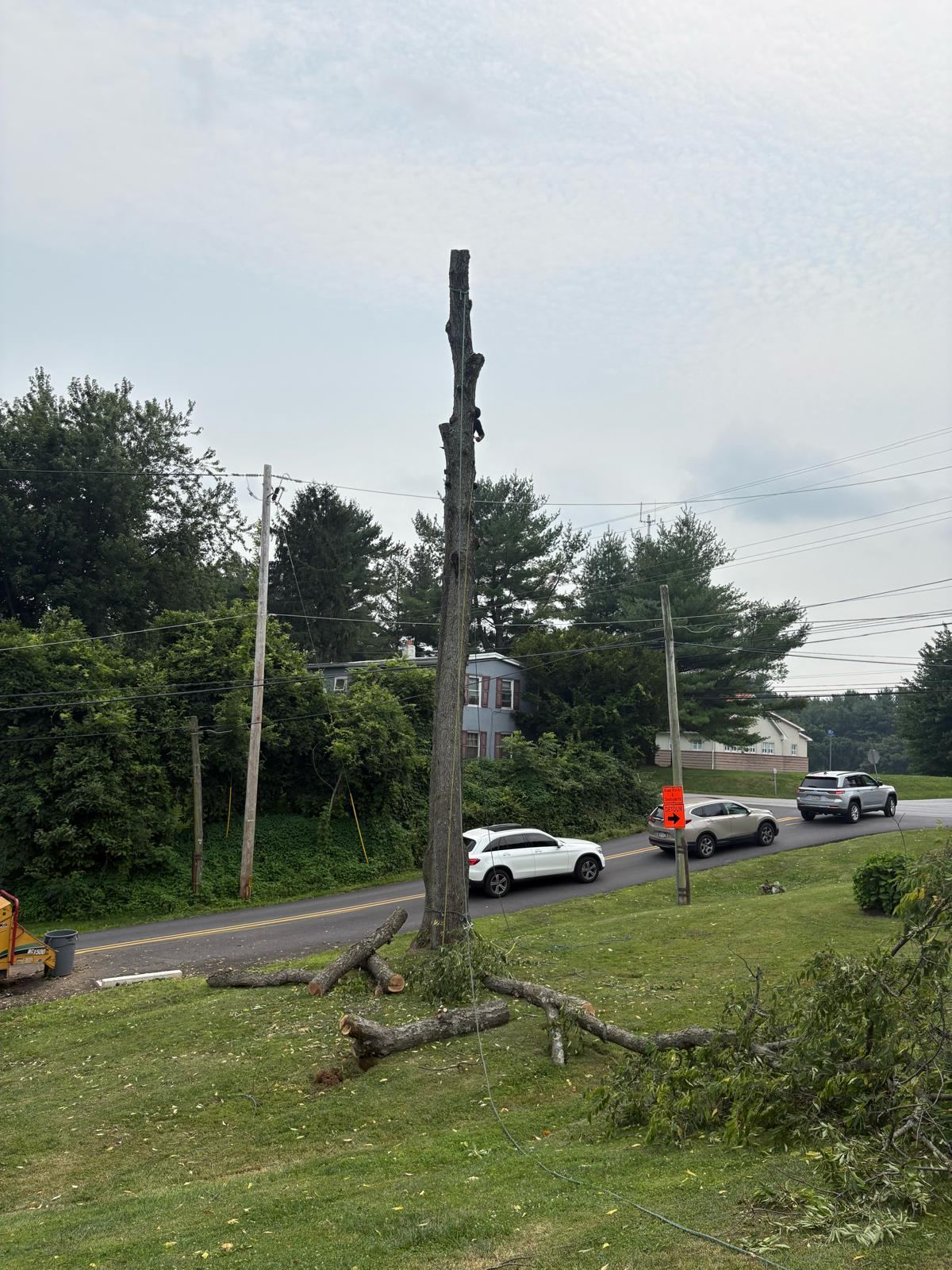
Selective Pruning: Targeted Cuts for Tree Health
Selective pruning is a more precise and technical approach to tree care. It involves the careful removal of specific branches to address particular issues within the tree’s canopy. The objective is to improve the tree’s health, structure, and safety rather than just its appearance. Pruning targets dead, diseased, or damaged branches, as well as those that cross or rub against each other, which can create wounds and invite disease.
Pruning also includes crown cleaning (removing undesirable branches), crown raising (removing lower limbs for clearance), crown reduction (shortening branches to reduce size while maintaining natural form), and structural pruning (promoting strong branch architecture). These cuts are made at precise points, usually at the branch collar, to ensure proper healing and minimize stress on the tree. Selective pruning requires professional knowledge to evaluate the tree’s condition and make informed decisions.
Key Differences Between Trimming and Pruning
While trimming and pruning may overlap in everyday language, they differ significantly in purpose and technique. Trimming is a broader term that often refers to routine maintenance, focusing on the outer parts of the tree to manage size and shape. Pruning is a targeted intervention aimed at improving the tree’s internal health and structural integrity.
Trimming typically uses tools like hedge trimmers or pole saws to cut back branch ends, while pruning involves making clean cuts at specific branch junctions to promote healing. Improper trimming, such as topping—cutting large branches or stems back to stubs—can harm the tree by creating large wounds and encouraging weak new growth. Pruning avoids these issues by following arboricultural standards. Choosing between trimming and pruning depends on your tree’s condition and your goals for its care.
When to Choose Trimming or Pruning for Your Trees
Deciding whether to trim or prune your trees depends on the tree’s health, location, and your property’s needs. If the goal is to control growth that interferes with structures or to maintain a tidy appearance, trimming is usually appropriate. For example, trimming is suitable when branches touch the roof, overhang driveways, or block views.
Pruning is recommended when there are specific health or safety concerns, such as removing dead or diseased limbs, improving branch structure, or preparing a young tree for future growth. Pruning can also help reduce risks by removing weak or hazardous branches. In some cases, a professional assessment is necessary to determine the best approach. Regular pruning supports long-term tree vitality, while trimming helps maintain manageable size and clearance.
Common questions
How can I identify if my tree needs trimming or pruning?
To identify whether your tree needs trimming or pruning, observe its condition and your goals. If branches are simply overgrown, touching structures, or blocking views, trimming is likely sufficient. However, if you notice dead, broken, or diseased branches, crossing limbs, or weak structure, pruning is advisable. A professional arborist can evaluate your tree and recommend the appropriate service based on health, safety, and maintenance needs.
What are the risks of improper tree trimming or pruning?
Improper trimming or pruning can stress trees, cause decay, and lead to structural weakness. For instance, topping—a severe form of trimming that cuts major branches back to stubs—creates large wounds that don’t heal well and encourage weak new growth, increasing the risk of limb failure. Incorrect pruning cuts can also leave the tree vulnerable to disease. Hiring a knowledgeable professional ensures cuts are made properly to support tree health and safety.