Jacob Tree Services Blog
Comparing Tree Removal and Stump Grinding: Which Service Does Your Property Need?
This guide helps property owners understand the differences between tree removal and stump grinding services. It explains their purposes, benefits, and what to consider when choosing the right option for your yard or construction plans. Learn how to prepare for each service and what results to expect based on your property needs.
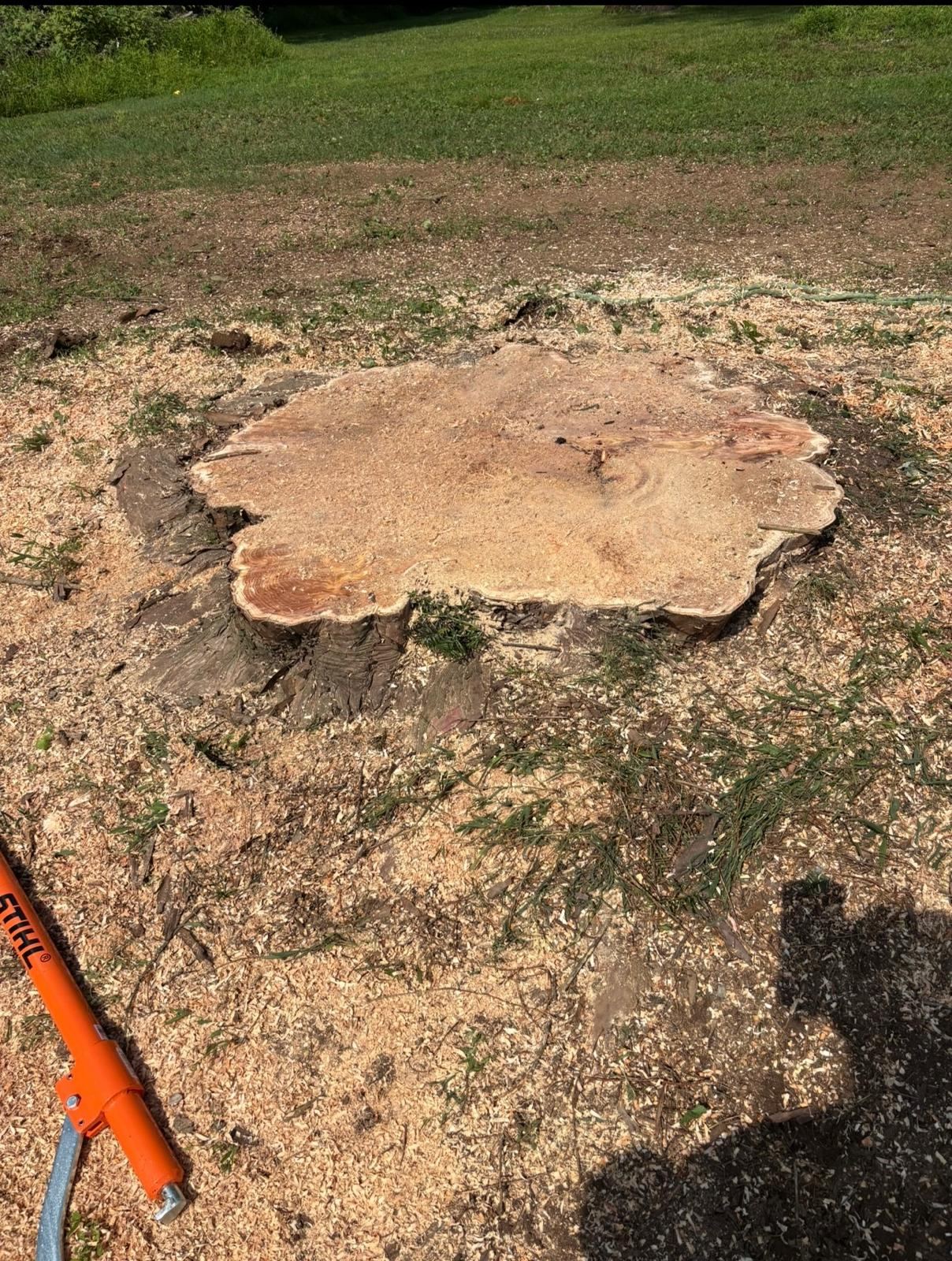
When deciding between tree removal and stump grinding, it’s important to understand that these services address different parts of the tree and serve distinct purposes. Tree removal involves cutting down and safely removing the entire tree, while stump grinding focuses on removing the remaining stump after a tree has been cut. Choosing the right service depends on your property's condition, future plans for the space, and budget considerations. Tree removal is necessary when the entire tree poses a risk, is diseased, or needs clearing for construction. Stump grinding is typically chosen to clear the stump left behind after removal, improving the yard’s appearance and safety. Stump grinding is less invasive and usually more affordable, but it leaves the roots underground, which will decay naturally over time. If you plan to build, install a patio, or plant a new tree in the same spot, full stump removal might be more appropriate, though it involves more disruption and cost. Understanding these factors helps you prepare your property accordingly and communicate your needs clearly to your service provider.
Understanding Tree Removal and Its Benefits
Tree removal is the process of cutting down and removing an entire tree from your property. This service is often necessary when a tree is dead, diseased, damaged, or poses a safety hazard to your home or landscape. It can also be required to clear space for new construction, landscaping projects, or to prevent interference with power lines and structures.
The benefits of tree removal include eliminating safety risks, preventing the spread of disease to other plants, and reclaiming space for new uses. Removal involves cutting the tree down safely and hauling away all parts, but it typically leaves the stump and roots in the ground. This is where stump grinding or removal services come into play to complete the clearing process.
What Stump Grinding Is and When to Choose It
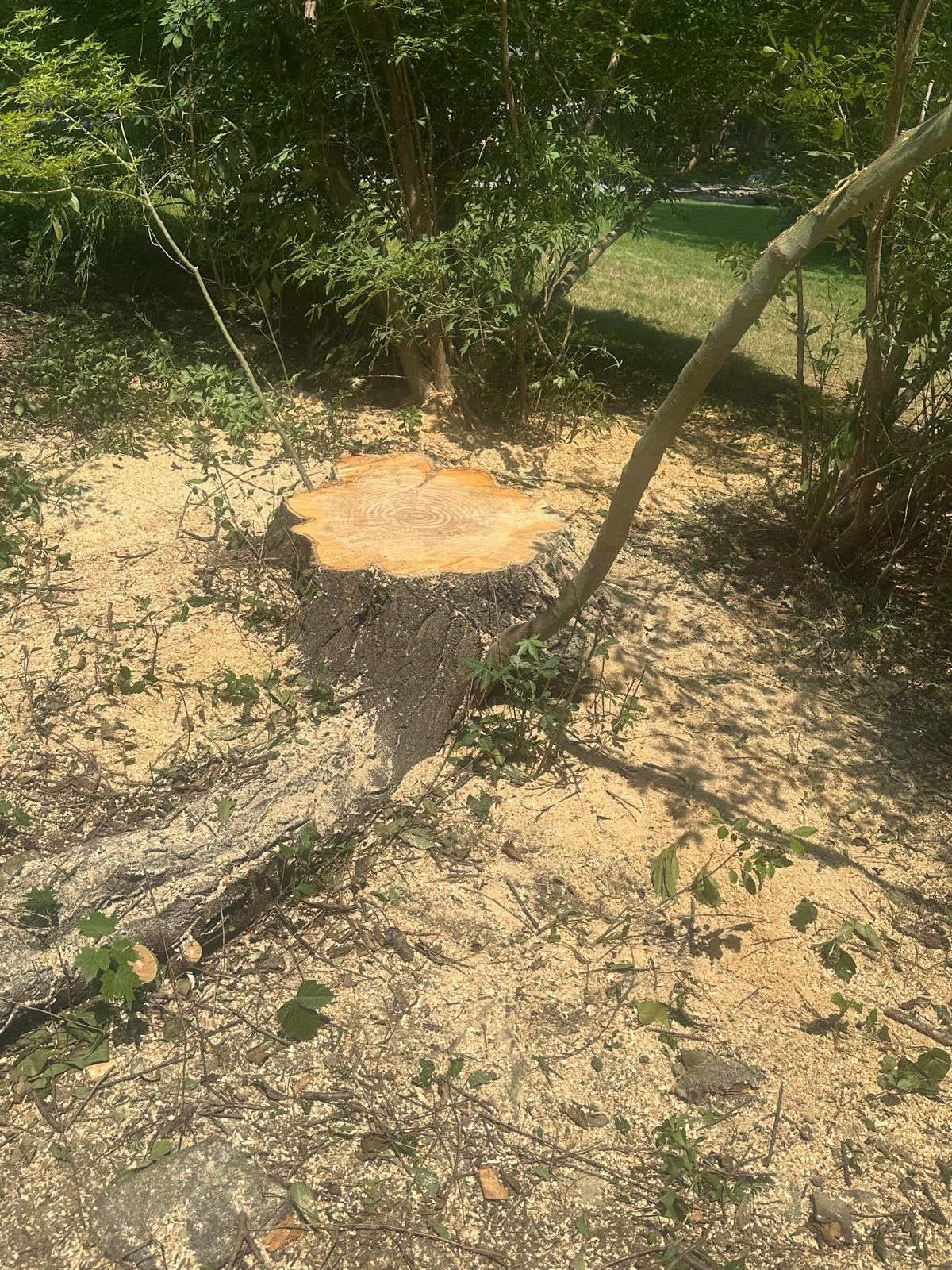
Stump grinding is a service that removes the visible part of a tree stump after the tree has been cut down. Using a specialized machine with a rotating cutting wheel, the stump is ground down below ground level, usually about 8 to 14 inches deep. This process leaves a hole filled with wood chips that can be backfilled with soil or removed, depending on your preference.
Stump grinding is ideal when you want to improve the appearance and safety of your yard without disturbing the entire root system. It is faster, less disruptive, and generally more affordable than full stump removal. However, the roots remain underground and will decompose naturally over several years. Some tree species may sprout new shoots from the roots, which can be managed with regular maintenance.
When Full Stump Removal Is Necessary
Full stump removal involves excavating the entire stump along with its root system. This method is more invasive and typically requires heavy machinery such as excavators or backhoes. It leaves a large hole that must be filled and leveled afterward.
This service is usually necessary when you plan to build a structure, lay a patio, install a driveway, or plant a new tree in the exact location of the old stump. Removing the entire root system prevents regrowth and ensures stable ground for construction or landscaping. Because of the equipment and labor involved, stump removal is more expensive and disruptive than grinding.
Preparing Your Property and Making the Right Choice
Before scheduling either tree removal or stump grinding, assess your property's condition and your plans for the area. If you only want to clear the tree and improve lawn usability, tree removal followed by stump grinding is usually sufficient. This approach minimizes yard disruption and cost.
If you intend to build or replant in the same spot, discuss full stump removal with your service provider to ensure the roots are fully cleared. Also, consider access to your yard, the size of the tree or stump, and any obstacles that might affect equipment use. Clear communication about your goals will help the professionals tailor the service to your needs.
Common questions
Is stump grinding cheaper than full stump removal?
Generally, stump grinding costs less than full stump removal because it involves less labor and equipment. Grinding only removes the visible stump and some surface roots, leaving the main root system underground. Full removal requires heavy machinery to excavate the entire root ball, which is more time-consuming and disruptive, leading to higher costs. Prices vary based on stump size, location, and access.
Can I plant a new tree where a stump was ground down?
You can plant a new tree near a spot where stump grinding was done, but it’s usually best to avoid planting directly in the same place. The remaining roots and wood chips can tie up soil nutrients and affect new root growth. If you want to plant in the exact spot, full stump removal with fresh soil replacement is recommended to provide a healthy environment for the new tree.