Jacob Tree Services Blog
How to Compare Tree Removal Estimates for Your New Jersey Property
Learn how to effectively compare tree removal estimates for your property near Hamilton Township, New Jersey. Understand key cost factors, service inclusions, and how to prepare for your project to make an informed decision.
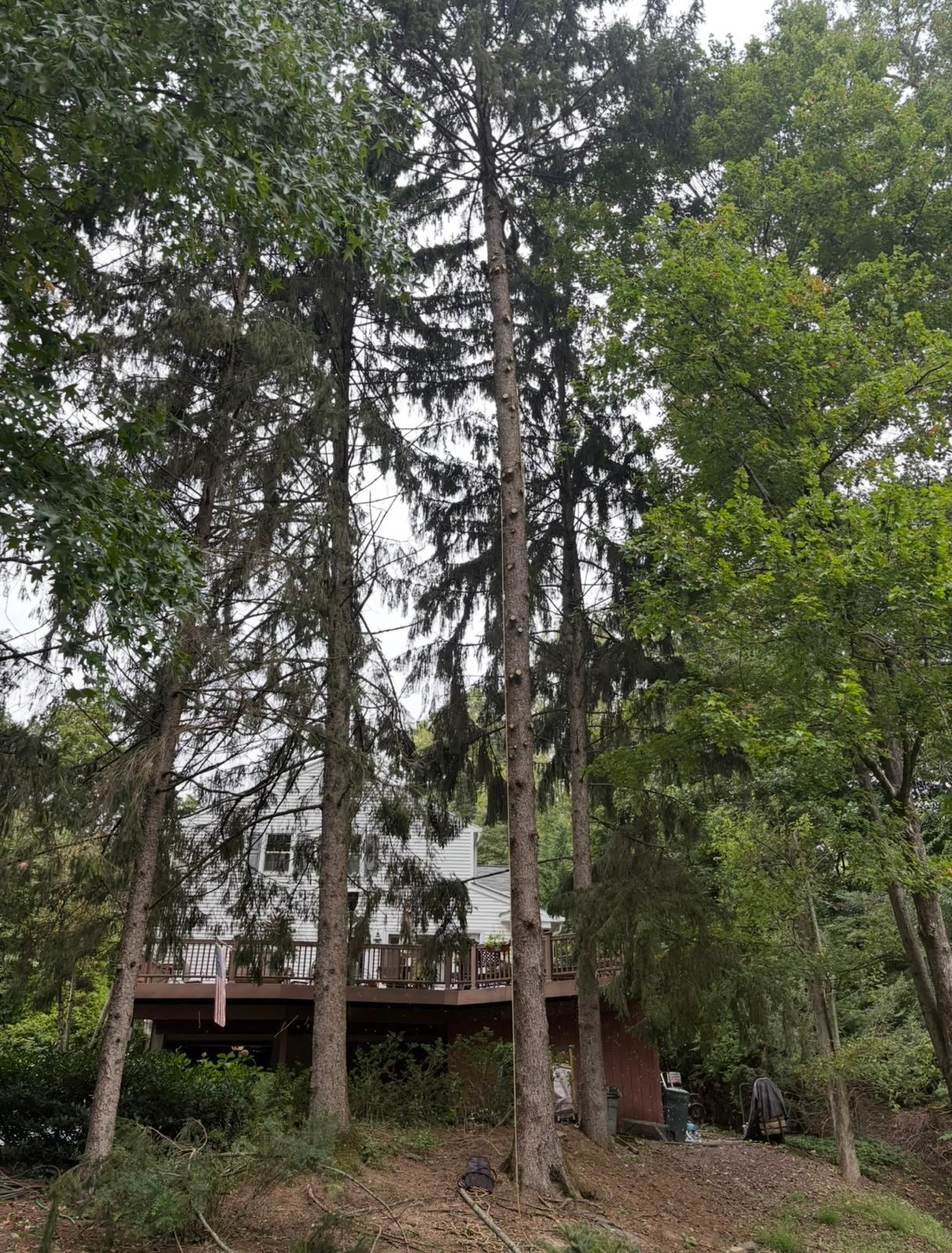
When you need tree removal services near Hamilton Township, New Jersey, comparing estimates carefully can help you make the best choice for your property and budget. Tree removal costs vary widely depending on factors like tree size, location, condition, and access. Understanding these can clarify why quotes differ and what to expect. Typical estimates include base removal, possible stump grinding, debris hauling, and any special equipment like cranes. Emergency or storm-related removals often add a premium. By reviewing the details in each quote and asking providers about what’s included, you can avoid surprises and select a service that suits your needs. After reading this guide, you will be able to evaluate estimates based on your project specifics and prepare questions for your tree service provider.
Key Factors Influencing Tree Removal Costs
Tree removal pricing depends on several important factors that impact the complexity and time required for the job. The primary driver is the size of the tree, usually measured by height and trunk diameter. Larger trees require more labor, equipment, and careful dismantling, especially when they are near structures or power lines.
Other factors include the species and wood density, which affect cutting difficulty and disposal weight. Property access plays a significant role: trees in open yards with driveway access cost less than those in fenced backyards or on slopes where equipment cannot reach easily. The health and condition of the tree also matter; dead or diseased trees are more fragile and require more careful removal techniques.
Understanding What Tree Removal Quotes Include
A detailed tree removal estimate should clearly list what services are included and what might incur additional charges. Base removal typically covers cutting down the tree and removing major limbs. Stump grinding is often quoted separately, as some homeowners prefer to leave the stump in place or remove it later.
Additional costs may arise for hauling debris away, chipping branches on-site, or splitting logs. If the job requires special equipment such as a crane or bucket truck, these fees should be itemized. Emergency removals, especially after storms, usually add a surcharge due to the urgency and increased risk. Always ask for a written quote that specifies these details to compare offers fairly.
Comparing Estimates: What to Look For
When comparing tree removal estimates, focus on matching the scope of work rather than just the total price. Check that both quotes cover the same tree size and condition, and note any differences in included services like stump grinding or debris removal. Also, verify if any permits or utility coordination are included or billed separately.
Pay attention to the timeline and scheduling flexibility. Some providers may offer lower prices but have longer wait times or less comprehensive cleanup. Asking providers about their experience with similar projects in New Jersey can help you gauge reliability, but avoid relying solely on claims without documented facts.
Preparing for Your Tree Removal Project
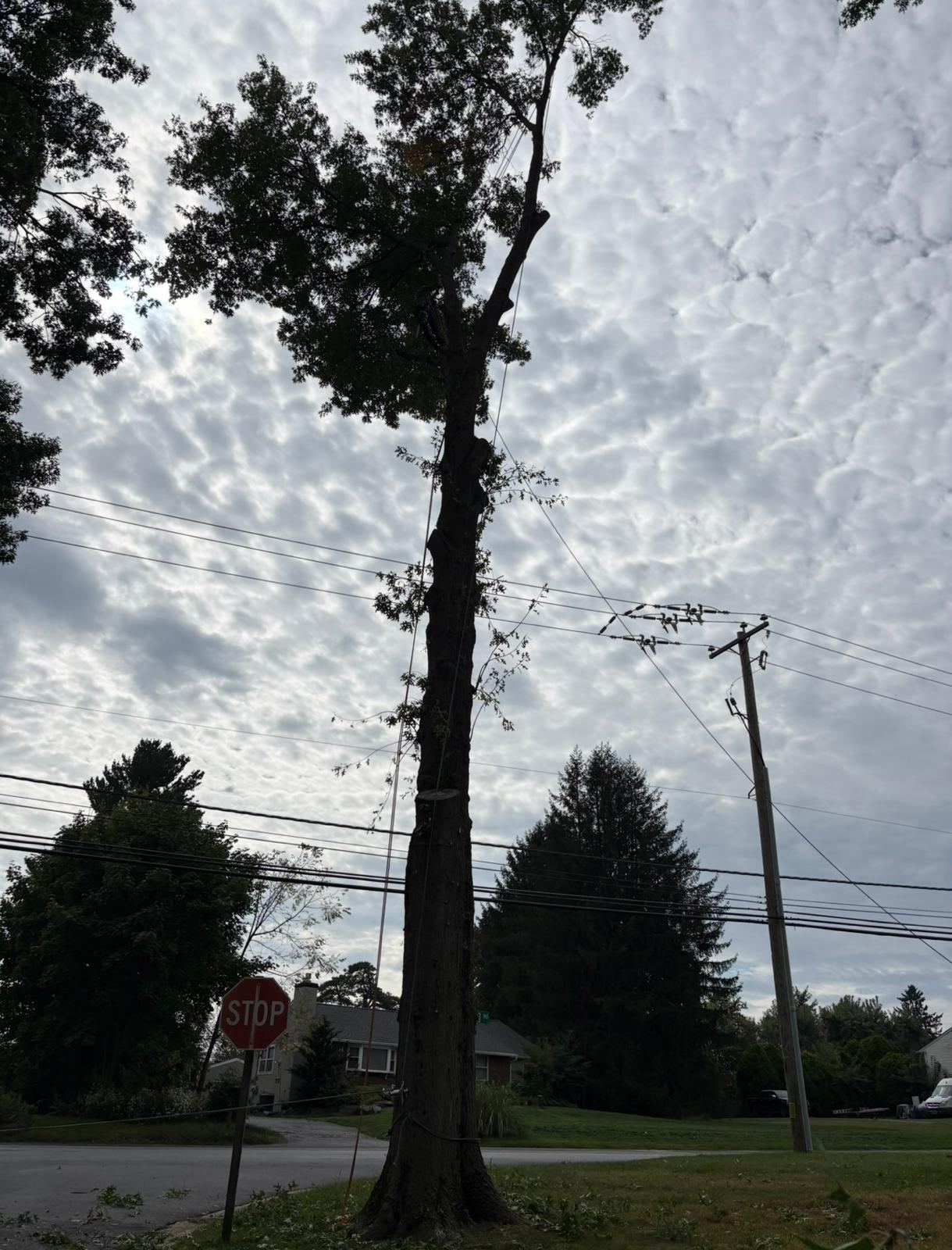
Before scheduling tree removal, assess your property and identify any access challenges or nearby structures that may affect the job. Take note of the tree species, size, and condition to provide accurate information when requesting quotes. If you suspect the tree is near power lines, inform your provider so they can coordinate with utility companies as needed.
Consider whether you want additional services like stump grinding or wood hauling included in the initial estimate to avoid unexpected costs. Planning the project during late winter or early spring may offer more availability and competitive pricing. Finally, keep your contact information ready and ask providers about their licensing and insurance coverage relevant to New Jersey regulations.
Common questions
What should a complete tree removal estimate include?
A complete tree removal estimate should list the base removal price covering the tree size and number, any stump grinding fees if you want the stump removed, charges for crane or bucket truck use if necessary, debris hauling or chipping costs, emergency surcharges if applicable, permit fees, and travel or mileage fees for out-of-area work. Clarifying these items helps ensure you compare quotes fairly.
How does tree size affect removal cost in New Jersey?
Tree size, particularly height and trunk diameter, is the biggest factor in removal cost. Small trees under 30 feet are generally quicker and less expensive to remove, often costing between $300 and $900. Medium trees from 30 to 60 feet require more labor and equipment, with costs typically ranging from $900 to $2,500. Large trees over 60 feet or those needing crane assistance can cost $2,500 to $8,000 or more depending on complexity.